
General
Explore The Rich Tapestry of Humanity With The Fascinating World of Anthropology

Anthropology with ‘do my assignment’ help provides a fascinating window through which to view the wide range of human societies, customs, and practices. It explores the past, the present, and the future of humanity and attempts to make sense of it all. This blog will take you on a tour through the world of anthropology, including its history, major branches, research methods, and the significant impact that it has on our worldview.
How Anthropology Began and What It Studies
Cultural anthropology, the study of people’s values and customs across cultures, was the field’s first focus. As time went on, anthropology with ‘do my assignment for me online’ grew to incorporate new areas of study, such as linguistic anthropology, archaeology, & the study of human evolution and biology.
The study of other cultures:
Human societies’ underlying assumptions, norms, and institutions are the focus of cultural anthropologists’ investigations. It delves at questions including how communities are structured, how individuals make connections with the world, and the way cultural norms shift through time. Cultural anthropologists use methods like participant observation, in-depth interviews, & fieldwork to learn about other people’s ways of life and better grasp the rich fabric of humanity.
Biological Anthropology:
The study of human biology and evolution with ‘do my assignment Australia’ is the focus of biological anthropology. In order to learn about our past, our present, and our potential future, this field studies human genetics, anatomy, primatology, & anthropology (the study of human fossils). Biological anthropology aids in our comprehension of human variation and adaptation by examining our outward appearance, genetic make-up, as well as interactions with the environment.
Anthropology of Language:
Studying how language functions in human civilizations is at the heart of linguistic anthropology. It explores how language affects and forms human communication, thought, & cultural identity, as well as its structure, the theory of evolution, and social functions. Anthropologists that specialize in linguistics shed light on the deep ties between language & human behavior by investigating issues such as linguistic relativity and the cultural relevance of language.
Excavation of Ancient Remains (Archaeology):
Archaeologists learn about our ancestors, especially the civilizations they created by excavating and studying artifacts, buildings, and human remains. This area of study bridges the gap between the past and the present by shedding light on the development of ancient technologies, social structures, financial systems, & cultural shifts.
Anthropological Methods and Theories:
Ethnographic approach:
Ethnography is a research method that involves the in-depth study of one culture or social group via careful observation, documentation, and analysis. To learn more about the culture they are studying, ethnographers collect data using methods such as participant observation, interviews, & document analysis. Ethnographic studies reveal the fullness of a culture in all its intricate details.
Check the differences:
Analyzing how various groups or time periods are similar to or different from one another is the essence of comparative analysis. Anthropologists are able to learn about and appreciate cultural variation by comparing and contrasting different situations. Researchers can learn more about the basic mechanics of human societies by conducting comparative analyses.
The Wide-Ranging Effects of Anthropology Anthropology has far-reaching effects on many areas of our lives, including how we view the past, present, & future. Key contributions made by anthropology include the following:
Social Difficulties:
Social inequality, power relations, globalization, and environmental concerns are only some of the major societal difficulties that anthropology investigates. Understanding social systems, fighting for social fairness, and offering long-term solutions to difficult problems are all areas where anthropologists make important contributions.
Discipline of Applied Anthropology:
Development initiatives, public health campaigns, and the preservation of cultural assets are all examples of the kinds of real-world problems that applied anthropology seeks to address. Social change, cultural understanding, and the satisfaction of basic human needs are all areas in which anthropologists work in tandem with communities, legislators, & organizations.
Communicating Across Cultures:
The field of anthropology is essential in bridging gaps in understanding between people of different backgrounds. Anthropologists work to improve understanding between people of different cultural origins and language groups by studying a wide range of languages & communication styles.
Protecting the Past:
Archaeology is a branch of anthropology. It is vital to the study, documentation, and presentation of our past and its artifacts. By excavating and studying artifacts, archaeologists learn a great deal about ancient societies. Also achievements, and eventually the causes of their decline and fall. Having this information at our disposal allows us to keep our shared human history intact and benefit from its lessons.
Human Ancestry and Health:
Culture, health, & illness are all topics that medical anthropologists investigate. Examines the impact of social and cultural factors on people’s health-related decisions, medical care, and the feeling of illness. Those who study medical anthropology work to lessen health inequalities and spread the importance of being culturally sensitive in the medical field.
Anthropology’s Role in Developing Policies and Programs
As a result of their expertise, anthropologists frequently find employment in policy and growth environments. In order to make suggestions for sustainable growth, poverty reduction, and social justice projects, they examine the interplay between social, cultural, & economic aspects. It defines communities.
Advocacy for Indigenous Peoples’ Rights:
The discipline of anthropology with Assignment help aid in the promotion and protection of indigenous peoples’ rights. Anthropologists contribute to the preservation of indigenous culture, history, and territory through their work in partnership with indigenous groups. Together with indigenous communities, they combat colonial legacies. Advocate for preservation of culture, and back people’s right to decide their own fate.
Issues of Morality:
The discipline of anthropology is well aware of the significance of conducting research. Also interact with communities in a moral manner. To protect the liberties and worth of the people they study, anthropologists must traverse a maze of ethical factors. Such as informed consent, confidentiality, & cultural sensitivity. Maintaining trust and encouraging productive partnerships depends on this kind of dedication to ethics.
Conclusion:
Anthropology’s holistic and comparative perspective helps us understand our common humanity. Which in turn increases our capacity for empathy, respect for other cultures. Also the admiration for the rich variety of human experience.



Fintech Leader Highlights How Lean Teams Are Driving Faster Decisions, Stronger Ownership, and Better Outcomes
TYLER, TX, USA – April 8, 2026 – Sabeer Nelli, CEO of Zil Money, has highlighted a growing shift in how modern businesses are structured, noting that smaller, focused teams are increasingly outperforming larger organizations. According to Sabeer, while scale was traditionally associated with strength, many companies are now recognizing that lean teams often move faster, make clearer decisions, and maintain stronger accountability.
Sabeer explains that larger teams tend to introduce complexity as organizations grow. Multiple layers of communication, extended approval cycles, and overlapping responsibilities can slow execution and dilute ownership. In contrast, smaller teams are able to operate with greater clarity, allowing individuals to take direct responsibility for outcomes.
“Smaller teams create clarity,” says Sabeer. “When there are fewer layers, decisions happen faster and accountability becomes more visible. People know what they are responsible for, and that drives better execution.”
He notes that lean teams also benefit from stronger alignment. With fewer individuals involved, communication becomes more direct and priorities are easier to maintain. This reduces misunderstandings and ensures that teams remain focused on the most important objectives.
Sabeer also highlights that smaller teams encourage a greater sense of ownership among employees. When individuals are closer to the outcome of their work, they are more engaged and motivated to contribute meaningfully. This often leads to higher-quality results and more consistent performance.
He believes that advances in technology have made it possible for smaller teams to achieve what previously required larger organizations. With access to digital tools, automation, and global collaboration platforms, businesses no longer need large headcounts to manage complex operations.
Contact Info
Website: www.sabeer.com
LinkedIn: linkedin.com/in/sabeer-nelliparamban
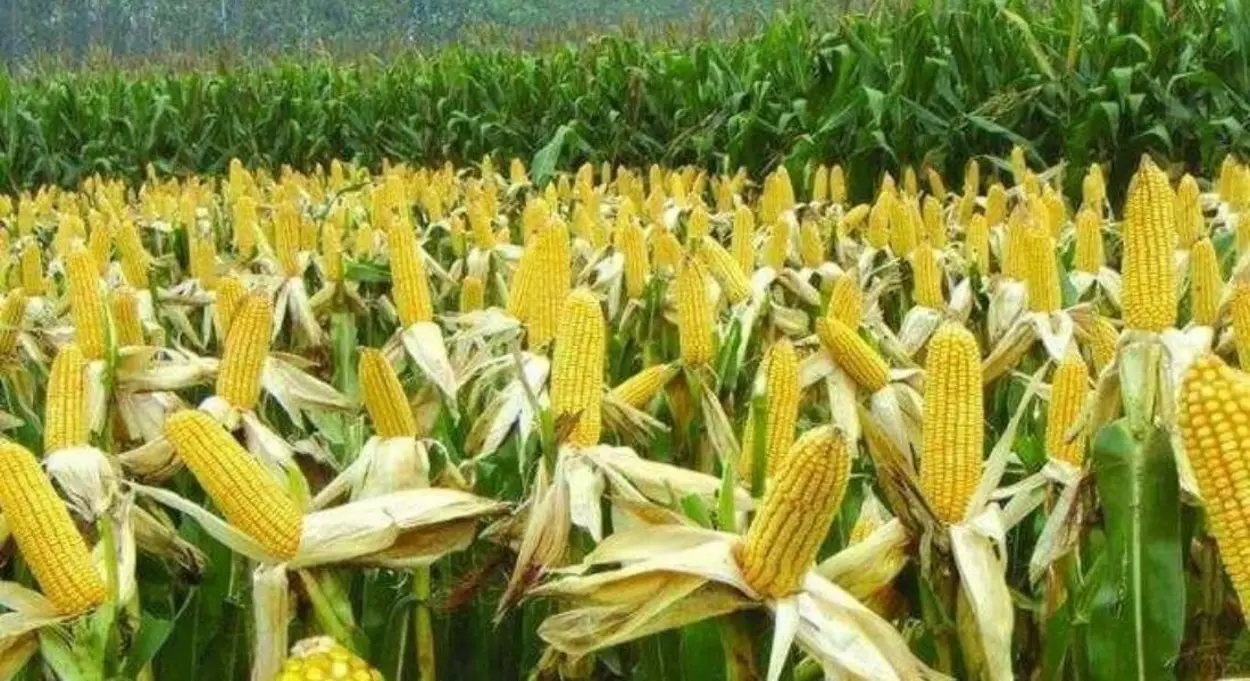
Farming has always played a significant role in Native American culture. Animated Mississippian Maize captures this rich history in a visually engaging way. It showcases how ancient communities relied on maize for survival and trade. This animation connects the past to the present, helping viewers appreciate indigenous agricultural expertise. Simple storytelling and digital tools bring forgotten traditions back to life. Let’s explore how this animation sheds light on Native farming.
Key Takeaways
- Animated Mississippian Maize preserves indigenous farming traditions.
- It highlights the deep connection between Native people and agriculture.
- The animation brings history to life for modern audiences.
- Understanding Mississippian maize farming enriches historical knowledge.
- Digital tools help spread awareness of traditional farming techniques.
The Importance of Maize
Maize was more than just a crop—it was a lifeline. Indigenous communities used maize for food, trade, and ceremonies. Animated Mississippian Maize highlights how farming techniques evolved, ensuring sustainability.
“Maize farming shaped the economy and culture of Mississippian societies.”
By studying these methods, we gain insight into efficient and eco-friendly agriculture. Traditional planting strategies, like the Three Sisters method, remain valuable today.

Farming Techniques in Animation
Animation breathes life into historical knowledge. Animated Mississippian Maize uses visuals to demonstrate planting, harvesting, and storage. It highlights how indigenous farmers cultivated maize alongside beans and squash. These techniques improved soil fertility and ensured food security.
“Traditional farming methods emphasize sustainability and resourcefulness.”
Educators can make history more engaging by incorporating animation. This approach helps students and researchers understand the wisdom behind early agricultural practices.
Cultural Significance of Maize
Maize wasn’t just food; it was part of rituals and storytelling. Animated Mississippian Maize explores how indigenous people saw maize as a sacred gift. It played a role in ceremonies, myths, and social structures.
Key cultural aspects include:
- Spiritual Meaning: Many tribes viewed maize as a symbol of life.
- Community Bonding: Farming strengthened social connections.
- Oral Traditions: Stories about maize passed knowledge to future generations.
Understanding these traditions helps preserve indigenous heritage and respect their contributions to agriculture.
How Animation Educates Viewers
Digital tools make learning accessible. Animated Mississippian Maize simplifies complex historical concepts. It helps students visualize how farming shapes communities.
Benefits of Animation in Education
- Engages young learners with colorful storytelling.
- Provides a visual timeline of agricultural development.
- Connects history with modern sustainability practices.
With animation, Native farming traditions reach a broader audience. This ensures the preservation of cultural knowledge.
Modern Lessons from Ancient Farming
Traditional maize farming techniques still hold value today. Animated Mississippian Maize teaches modern farmers about soil health, crop rotation, and organic methods. These ancient practices align with sustainable farming goals.
Key Lessons
- Companion Planting: Boosts crop growth naturally.
- Soil Conservation: Prevents erosion and improves fertility.
- Natural Pest Control: Reduces the need for chemicals.
By studying indigenous methods, we can develop more eco-friendly farming systems.
Conclusion
Animated Mississippian Maize is more than just a visual story; it is a bridge between past and present. It honors Native farming traditions and educates audiences about sustainable agriculture. As we explore the wisdom of ancient farmers, we gain valuable insights into modern farming and cultural appreciation.
FAQs
1. Why is maize important in Native history?
Maize was a staple crop that supported entire communities. It played a crucial role in food, trade, and cultural traditions.
2. How does animation help preserve history?
Animation makes complex topics engaging and accessible. It visually demonstrates traditional farming techniques.
3. What farming methods did Mississippian cultures use?
They used techniques like the Three Sisters planting, crop rotation, and organic soil enrichment.
4. Can we apply these farming methods today?
Traditional methods promote sustainability, soil health, and efficient crop production.
5. Where can I watch Animated Mississippian Maize?
Educational resources and animations are found in museums, history websites, and Indigenous organizations.

IPTV Pricing 2026: Real Costs Compared to Cable TV and Streaming Services

Digital Divide in French Education: IPTV Infrastructure Gaps Impact Rural Student Learning

Why Choose Leadburst Digital as Your Lead Generation Agency?

Catch-Up TV and Replay on IPTV Smarters Pro: How to Watch Missed French Programmes in 2026

M3U vs Xtream Codes API: Which IPTV Connection Method Works Better for French Subscribers?
Quelle Application IPTV Choisir pour sa Smart TV en France : Comparatif 2026

Why Smaller Teams Are Outperforming Larger Organizations: Sabeer Nelli Explains the Shift

Modern Interior Design Services in Bangkok: Transform Your Space Today

TiviMate Catch-Up TV: How Terugkijken Works for Belgian and Dutch Viewers (And When It Does Not)

Paying for IPTV in the Netherlands: iDEAL, Cancellation Rights, and What Your Provider Owes You
How to Watch Dutch and Belgian TV During Your Vacation (Without a VPN That Half-Works)
IPTV for Dutch Families: Children’s Channels, Parental Controls, and What Parents Actually Need to Know
The Dutch Sports Fan’s Television Problem (And Why IPTV Is the Only Honest Answer)
How IPTV is Transforming Home Entertainment Across the Netherlands: A Complete Practical Guide for Dutch Viewers in 2026
The Dutch Viewer’s Complete Guide to IPTV: What It Is, How It Works, What You Can Watch, and What to Expect Before You Start
Is Trading Is The Best Investment Option After Retirement?

The Ultimate Guide to 35mm Film Developing Lab

10 Things to Do in Punta Mita

Save on Campervan Rentals with a roadsurfer Gutscheincode

Best Things to Do in New York City – Ultimate Travel Guide

Tailored Tours to Switzerland | Private & VVIP Experiences

Explore New Real Estate Programs in Marrakech

Why is there a white spot on my laptop screen?

How to Be the Best Real Estate Agent Murfreesboro

Find the Best Real Estate Agents Main Line

Guide to Buying Testosterone Propionate Safely and Effectively

6×7

Effective Property Management in Marrakech Morocco

Throne Of Seal Insert E108 Pan Xiuyu

Shana Roberts Northbrook | Discover Her Story
-
 News5 months ago
The Dutch Sports Fan’s Television Problem (And Why IPTV Is the Only Honest Answer)
-
 Technology5 months ago
How to Watch Dutch and Belgian TV During Your Vacation (Without a VPN That Half-Works)
-
 Technology6 months ago
How IPTV is Transforming Home Entertainment Across the Netherlands: A Complete Practical Guide for Dutch Viewers in 2026
-
Technology6 months ago
The Dutch Viewer’s Complete Guide to IPTV: What It Is, How It Works, What You Can Watch, and What to Expect Before You Start
-
 Technology5 months ago
IPTV for Dutch Families: Children’s Channels, Parental Controls, and What Parents Actually Need to Know
-
Technology5 months ago
Quelle Application IPTV Choisir pour sa Smart TV en France : Comparatif 2026
-
 Technology5 months ago
Paying for IPTV in the Netherlands: iDEAL, Cancellation Rights, and What Your Provider Owes You
-
Technology3 months ago
Catch-Up TV and Replay on IPTV Smarters Pro: How to Watch Missed French Programmes in 2026