
Business
The SCOR Model and How It Impacts Your Supply Chain

The Supply Chain Operations Reference, SCOR model is a process reference model that has been developed by the Supply Chain Council (SCC). It is a framework that can be used to manage, measure, and improve supply chain performance.
The SCOR model is based on the Business Process Modelling Notation (BPMN) and is divided into four areas:
– Plan: This deals with the planning and allocation of resources.
– Source: This deals with the procurement of goods and services.
– Make: This deals with the manufacturing of goods.
– Delivery: This deals with the transportation and delivery of goods.
The SCOR model can be used to assess the performance of your supply chain and identify areas for improvement. It is a valuable tool for supply chain professionals.
What is the SCOR Model?
The SCOR model is a process reference model developed by the Supply Chain Council (SCC). It is used to measure, manage and improve supply chain performance. The model is based on the Business Process Modelling Notation (BPMN) and is divided into four areas: Plan, Source, Make and Deliver. It is used to assess supply chain performance and identify areas for improvement. The Plan phase of the SCOR model consists of several processes such as demand planning and inventory optimization. This phase is responsible for determining the resources needed to meet customer demand. The Source phase deals with the procurement of goods and services.
It covers processes such as supplier selection and order placement. The Make phase deals with the manufacturing of goods. It covers processes such as customer order management and production scheduling. The Deliver phase is responsible for the transportation and delivery of goods. It covers processes such as logistics service provider selection and distribution planning.
What are the benefits of the SCOR Model?
The SCOR model provides a framework for measuring and assessing supply chain performance. It helps organizations identify areas for improvement and drive operational efficiency. It is also used to help establish key performance indicators (KPIs) for measuring supply chain performance. The model promotes collaboration and communication between different departments in an organization. It also provides a common language that can be used to discuss supply chain activities.
The SCOR model is also beneficial for organizations that are looking to improve customer service levels. By using the SCOR model, organizations can develop customer-focused supply chain strategies that aim to increase customer satisfaction. The model also provides a standardized approach to measuring and improving supply chain performance, which can help reduce costs and increase efficiency.
How does the SCOR Model impact your supply chain?
The SCOR model can have a significant impact on your supply chain. It can help identify areas that need to be improved and provide a framework for implementing changes. It can also be used to develop a customer-focused strategy that aims to increase customer satisfaction. The model also can help reduce costs and increase efficiency.
The SCOR model can also help organizations measure the performance of their supply chain. It provides a standardized approach for measuring performance, which can help organizations identify areas for improvement. The model helps organizations measure their performance in terms of several KPIs, such as total cost, delivery lead time, and on-time delivery rate.
What are the key components of the SCOR Model?
The SCOR model consists of four key components: Plan, Source, Make and Deliver. The Plan phase includes processes such as demand planning and inventory optimization. The Source phase covers processes such as supplier selection and order placement. The Make phase includes processes such as customer order management and production scheduling. The Deliver phase covers processes such as logistics service provider selection and distribution planning. The SCOR model also includes seven supply chain processes: Plan, Source, Make, Deliver, Return, Enable and Monitor.
The Plan process is responsible for planning and allocating resources. The Source process is responsible for procuring goods and services. The Make process is responsible for manufacturing goods. The Deliver process is responsible for the transportation and delivery of goods. The Return process is responsible for managing reverse logistics. The Enable process is responsible for infrastructure, systems and standards. The Monitor process is responsible for measuring, analyzing and improving performance.
How can you implement the SCOR Model in your business?
Implementing the SCOR model in your business can be done in several ways. The first step is to understand the model and how it can optimize your supply chain. Once you understand the model, you can start to assess the current performance of your supply chain. This will help you identify areas for improvement.
The next step is to develop a plan to implement the SCOR model in your business. This plan should include goals, time frames and resources. You can then start implementing the model in your business. This may involve developing customer-focused strategies, establishing KPIs, and developing processes and systems that can be used to measure and improve performance. It is also important to establish metrics that can be used to measure the success of the implementation. This will help you identify areas that need to be improved.
To wrap things up
The SCOR model is a valuable tool for supply chain professionals. It can help organizations measure, manage and improve supply chain performance. The model is based on the Business Process Modelling Notation (BPMN) and is divided into four areas: Plan, Source, Make and Deliver. The model can be used to identify areas for improvement, develop customer-focused strategies and establish KPIs for measuring performance. The implementation of the model in your business can be done by developing a plan, setting goals, and establishing metrics for measuring success. The SCOR model in Supply Chain is a powerful tool for managing and improving supply chain performance.

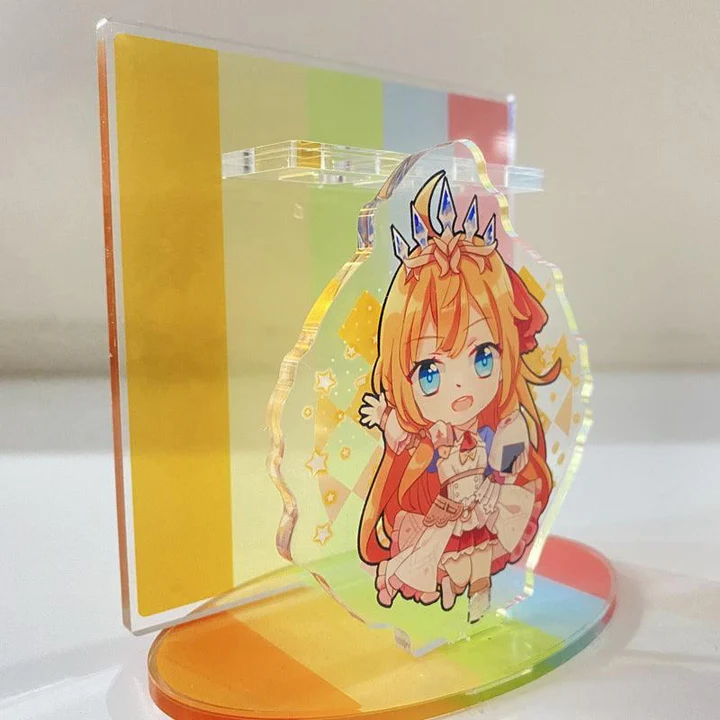
In today’s fast-paced creative and business world, standing out is key. Whether you are an artist, content creator, or business owner, showcasing your designs or branding in a visually appealing way can make a significant difference. This is where custom acrylic standee products come in. Vograce offers a premium platform to design, print, and order high-quality acrylic stands that are ideal for merchandise, promotions, and collectibles. With options like die-cut shapes, holographic finishes, and multi-layer designs, acrylic stands have become essential tools for engaging audiences and enhancing brand visibility.
Why Acrylic Standees Are a Game-Changer
Acrylic standees combine aesthetic appeal with functionality, making them more than just decorative pieces. Here’s why they have become popular among creators and businesses:
- Vibrant and Detailed Printing: Acrylic allows for high-resolution printing, capturing intricate artwork, logos, or characters with clarity and vivid colors.
- Durability: Unlike paper or cardboard, acrylic is resistant to bending, scratches, and fading, ensuring your standee remains pristine over time.
- Three-Dimensional Appeal: The thickness and transparency of acrylic give your designs depth, making them more visually engaging than flat prints.
- Versatility: Perfect for desks, shelves, trade shows, product displays, and merchandising, acrylic stands are adaptable to virtually any environment.
For artists and businesses looking to leave a lasting impression, a well-crafted acrylic standee is a strategic tool.
Benefits for Artists and Creators
For artists, content creators, and designers, acrylic standees offer a unique way to monetize their work and engage with fans:
- Merchandising Opportunities: Convert your digital art, anime characters, or illustrations into collectible products that fans can purchase.
- Fan Engagement: Limited-edition or personalized standees create excitement, loyalty, and stronger connections with supporters.
- Professional Presentation: Acrylic displays elevate the perceived value of artwork, making it feel premium and collectible.
- Creative Freedom: Multi-layered designs, die-cut shapes, and holographic or glitter finishes allow for endless creative possibilities.
Vograce makes it simple to turn your artwork into high-quality acrylic standee products that fans and collectors will treasure.
Advantages for Businesses
Acrylic stands are not only beneficial for artists but also serve as powerful tools for marketing and brand promotion:
- Event Marketing: Use acrylic standees at trade shows, conventions, product launches, or promotional events to attract attention.
- Brand Visibility: Display logos, mascots, or product illustrations in a way that is eye-catching and memorable.
- Corporate Gifts: Custom acrylic standees make professional gifts for clients, partners, or employees.
- Cost-Effective Marketing: Low minimum order quantities make acrylic stands accessible for businesses of all sizes.
A custom acrylic standee can transform standard marketing efforts into impactful visual presentations that leave a lasting impression.
Types of Acrylic Stands Offered by Vograce
Vograce provides multiple options to ensure your acrylic stand matches your creative vision and functional needs:
Tabletop Acrylic Standees
Small, portable, and perfect for desks, counters, or shelves. These are ideal for single characters, logos, or compact artwork.
Multi-Layered Acrylic Standees
Layered designs create a three-dimensional effect, adding depth and vibrancy to your characters or promotional displays.
Die-Cut Acrylic Standees
Die-cut standees are precisely cut along the outline of your design, giving a polished, professional, and attention-grabbing appearance.
Clear and Holographic Finishes
Clear acrylic provides a sleek and modern look, while holographic or glitter options add shimmer and uniqueness, perfect for collectible or limited-edition items.
Designing Your Acrylic Standee
Creating a high-quality acrylic stand requires attention to detail and planning:
- High-Resolution Artwork: Ensure that your digital files are sharp and clear for professional printing results.
- Bold, Vibrant Colors: High-contrast colors enhance visual appeal and make your standee stand out.
- Shape and Size Selection: Choose die-cut shapes and dimensions that suit your intended display or merchandising purpose.
- Layering and Depth: Multi-layer designs enhance the three-dimensional effect, making your standee more dynamic.
- Finish Options: Matte, glossy, holographic, or glitter finishes allow you to match your aesthetic vision perfectly.
Vograce’s platform makes it easy to upload, edit, and preview your design before production, ensuring your acrylic standee turns out exactly as you envisioned.
Applications of Acrylic Standees
Acrylic standees can be used in countless ways for both personal and commercial purposes:
Merchandise
Artists and content creators can produce collectible standees to sell to fans, creating additional revenue streams and fan engagement.
Promotional Materials
Businesses can use acrylic standees to display products, logos, or mascots at events, retail stores, or exhibitions, enhancing visibility.
Desk and Home Displays
Acrylic stands add a stylish touch to desks, shelves, or display cases, making them perfect for personal collections or fan memorabilia.
Gifts and Keepsakes
Personalized acrylic standees make memorable gifts for birthdays, anniversaries, or special occasions, offering a unique alternative to traditional presents.
Durability and Quality
Acrylic standees from Vograce are manufactured using high-quality materials to ensure long-lasting durability, sharp printing, and vibrant colors. Unlike paper or cardboard alternatives, acrylic maintains its clarity and resists scratches, fading, and environmental wear. Each acrylic standee is printed with precision, resulting in a premium-quality product suitable for display, merchandising, or gifting.
Why Choose Vograce for Acrylic Standee Printing
Vograce stands out as a leading platform for custom acrylic standee production because it combines quality, affordability, and customization:
- Easy Design Platform: Upload, edit, and preview your designs effortlessly.
- Flexible Options: Choose from multiple sizes, shapes, layers, and finishes to suit your creative or promotional needs.
- Low Minimum Orders: Accessible for small businesses, independent artists, and individual creators.
- Fast and Reliable Production: Get your acrylic standees quickly without compromising quality.
With Vograce, creating professional and eye-catching acrylic standee products is simple and efficient.
Conclusion
Custom acrylic standees are versatile, durable, and visually striking tools for artists, businesses, and fans. Whether you’re looking to sell collectible merchandise, promote your brand at events, or create a unique gift, an acrylic standee is a premium solution that leaves a lasting impression.
Vograce provides a comprehensive platform for designing, printing, and ordering custom acrylic standees with options like tabletop, multi-layered, die-cut, clear, holographic, or glitter finishes. These products allow creators and businesses to showcase their artwork, characters, logos, or promotional materials in an engaging and professional way.
Start designing your own acrylic standee today and elevate your merchandise, promotions, and collectibles with high-quality, durable, and visually captivating displays.
Business
Truck Repair Shop – Suspension Specialists and General Mechanics for Heavy and Light Trucks


Since 1975, our truck repair shop has proudly served the Greater Montreal Area. With 50 years of experience, we understand the demands placed on heavy and light trucks. As a family-owned business for three generations, we focus on quality, reliability, and long-term relationships.
Our team supports truck owners and commercial fleet operators across Quebec and Ontario. We operate with strong values built on consistency and professionalism. Over the decades, we have refined our processes to deliver efficient and dependable mechanical services.
50 Years of Experience in Heavy and Light Truck Repair
Experience makes a measurable difference in heavy vehicle maintenance. Our truck repair shop specializes in suspension, transmission, steering, and chassis systems. We service heavy trucks, light trucks, trailers, and commercial fleets.
From minor repairs to complete rebuilds, our mechanics handle each job with precision. We begin with detailed diagnostics to identify the root cause of any issue. Then we implement durable repair solutions designed for long-term performance.
Heavy trucks face constant stress from weight, distance, and road conditions. Our experience allows us to detect wear early and prevent costly breakdowns.
Suspension Specialists and Alignment Experts
Suspension systems directly affect safety and load stability. As suspension specialists, we repair and replace springs, shocks, and steering components. Proper suspension improves control and protects cargo.
Alignment plays a critical role in tire longevity and fuel efficiency. Even small misalignments increase tire wear and operating costs. Our truck repair shop performs precise alignments for both heavy and light trucks.
Accurate steering and alignment services enhance driver confidence. They also reduce vibration and improve overall road handling.
Comprehensive Mechanical Services Under One Roof
Our truck repair shop offers complete mechanical services in one location. We repair transmissions, replace clutches, and service steering systems. We also perform chassis repairs and structural modifications.
Our workshop manages everything from inspection to final testing. We provide free estimates before beginning any repair. After completing the work, we conduct test drives to ensure optimal performance.
With an average turnaround time of two days, we minimize downtime. Efficient workflow and organized operations help us deliver timely results.
A Skilled Team of 30 Certified Mechanics
Our facility includes 30 certified mechanics with extensive hands-on experience. This strong team allows us to service multiple vehicles simultaneously. Each mechanic focuses on accurate diagnostics and quality workmanship.
Continuous training keeps our team updated with modern repair techniques. We emphasize identifying the root cause instead of applying temporary fixes. This approach reduces repeat visits and long-term costs.
Over 14,000 satisfied clients have trusted our expertise. Our consistent service standards strengthen long-term partnerships.
Fleet Services Designed to Reduce Downtime
Fleet operators depend on reliability and speed. Our truck repair shop supports commercial fleets with preventive maintenance programs and rapid repairs. We schedule inspections to prevent unexpected breakdowns.
Regular suspension checks, alignment inspections, and transmission servicing protect fleet investments. Preventive maintenance improves safety and controls operating costs.
For added convenience, we offer truck pick-up service. This solution helps fleet managers maintain productivity without unnecessary delays.
Commitment to Quality and Reliability
We stand behind our work with a one-year guarantee on parts and labour. This guarantee reflects our confidence in our repairs. Quality control remains a priority at every stage.
As a proud member of the professional repair community, we maintain high service standards. For 50 years, our truck repair shop has delivered dependable mechanical solutions.
When you need suspension specialists and general mechanics for heavy and light trucks, you can rely on proven expertise and dedicated service.

Starting a business is an exciting yet daunting venture that requires careful planning and preparation. Before you dive into the world of entrepreneurship, it’s crucial to understand a few key aspects that can significantly influence your success.
This blog post aims to provide you with a detailed overview of what to consider before starting your own business.
1. Market and Audience Knowledge
Start your business by objectively studying all the ins and outs of your target market and audience. Taking this step will help you understand which of the demographic and psychographic segments make up the target market for your business.
You also need to research what your audience requires, what they prefer, and how they go about making their purchases. This knowledge is invaluable, as it will enable you to place your business where potential clients may find it appealing. After this extensive market and audience analysis, you will be able to create a business plan accordingly.
2. Business Structure
Choosing the right business structure is a crucial move since it has corresponding legal and taxation consequences. Think about the specific types of business structures:
- Sole traders,
- Partnerships,
- Limited liability companies (LLCs),
- And corporations.
Every structure comes with its risk, taxation, and permission to manage business operations. By understanding these factors, you can make a sound decision on the appropriate type of structure for your business. This will give you a sense of confidence and security in your business decisions.
3. Startup Costs and Funding
Next, create a list of the specific and reasonable expenses indispensable for starting your business. You need to include areas like stock purchase, machinery, promotional activities, and organizational overheads.
Once you have determined your financial needs, learn more about the various funding facilities. Regardless of what source of funding you choose – personal capital, banks, angel investors, or grants, synchronize funding with your business’s financial structure to achieve its long-term stability and development.
4. Business Taxation
Understanding taxes is also critical when it comes to running a business. Get to know the degree of compliance with tax laws that apply to your kind of business and region of operation. This includes income tax, sales tax, payroll tax, and any others that might incur in the near future.
To avoid undesired consequences linked to legal violations, it’s essential to develop proper financial policies. Additionally, suppose you want to avoid the highest income taxes but don’t know how. In this website, you can access a smooth TFN application process, which ensures a hassle-free experience.
Having the right documentation can help streamline your tax obligations and improve your overall business operations.
5. The Right Location
The right location significantly contributes to defining any company’s success. You need to determine factors like;
- traffic,
- the ease of access to your targeted clients,
- the degrees of competition in your area,
- and zoning laws.
A good location is beneficial in terms of sales, while a wrong location for a business can limit its growth. So, conduct extensive research to identify the right location for the company’s activities based on the above factors.
6. Supplies and Sourcing
Be aware that reliable suppliers are the backbone of any your enterprise. Identify some of the available vendors who can supply products and other raw materials required for your business.
Once you find the best ones, you can meet the specified quality, which may build your confidence in your business operations. Establishing excellent and reliable vendors lays a firm foundation for your supply chain, resulting in more sales and profitability.

Why Choose Leadburst Digital as Your Lead Generation Agency?

Catch-Up TV and Replay on IPTV Smarters Pro: How to Watch Missed French Programmes in 2026

M3U vs Xtream Codes API: Which IPTV Connection Method Works Better for French Subscribers?

Quelle Application IPTV Choisir pour sa Smart TV en France : Comparatif 2026

Why Smaller Teams Are Outperforming Larger Organizations: Sabeer Nelli Explains the Shift

Modern Interior Design Services in Bangkok: Transform Your Space Today

TiviMate Catch-Up TV: How Terugkijken Works for Belgian and Dutch Viewers (And When It Does Not)

Paying for IPTV in the Netherlands: iDEAL, Cancellation Rights, and What Your Provider Owes You
How to Watch Dutch and Belgian TV During Your Vacation (Without a VPN That Half-Works)
IPTV for Dutch Families: Children’s Channels, Parental Controls, and What Parents Actually Need to Know
The Dutch Sports Fan’s Television Problem (And Why IPTV Is the Only Honest Answer)

How IPTV is Transforming Home Entertainment Across the Netherlands: A Complete Practical Guide for Dutch Viewers in 2026
The Dutch Viewer’s Complete Guide to IPTV: What It Is, How It Works, What You Can Watch, and What to Expect Before You Start

Vograce Acrylic Stands – Perfect for Merch & Promotions
Can Switching to IPTV Help French Households Reduce Their Monthly Bills?
Is Trading Is The Best Investment Option After Retirement?

The Ultimate Guide to 35mm Film Developing Lab

10 Things to Do in Punta Mita

Save on Campervan Rentals with a roadsurfer Gutscheincode

Best Things to Do in New York City – Ultimate Travel Guide

Explore New Real Estate Programs in Marrakech

Tailored Tours to Switzerland | Private & VVIP Experiences

Why is there a white spot on my laptop screen?

How to Be the Best Real Estate Agent Murfreesboro

Find the Best Real Estate Agents Main Line

6×7

Shana Roberts Northbrook | Discover Her Story

Guide to Buying Testosterone Propionate Safely and Effectively

Throne Of Seal Insert E108 Pan Xiuyu

Effective Property Management in Marrakech Morocco
-

 Gaming7 months ago
Gaming News: The Ever-Evolving World of Video Games in 2025
-

 Health5 months ago
Expert Eye Care in the Southern Suburbs: Your Guide to Finding a Premier Optometrist in Tokai
-

 Health5 months ago
Vision Excellence on the West Coast: Your Guide to Finding a Top Optometrist in Milnerton
-

 News5 months ago
Heathridge Partners Tokyo Japan on the Value of Wealth Simplicity in a Complex World
-

 Home Improvement5 months ago
Roofing Services in Orem: Trusted Orem Roof Company for Lasting Protection
-

 Travel5 months ago
Discover with a Leading Morocco Travel Company
-

 Entertainment5 months ago
Can Switching to IPTV Help Dutch Households Reduce Their Media Costs?
-
 Technology4 months ago
The Dutch Viewer’s Complete Guide to IPTV: What It Is, How It Works, What You Can Watch, and What to Expect Before You Start