
Technology
How IPTV is Transforming Home Entertainment Across the Netherlands: A Complete Practical Guide for Dutch Viewers in 2026

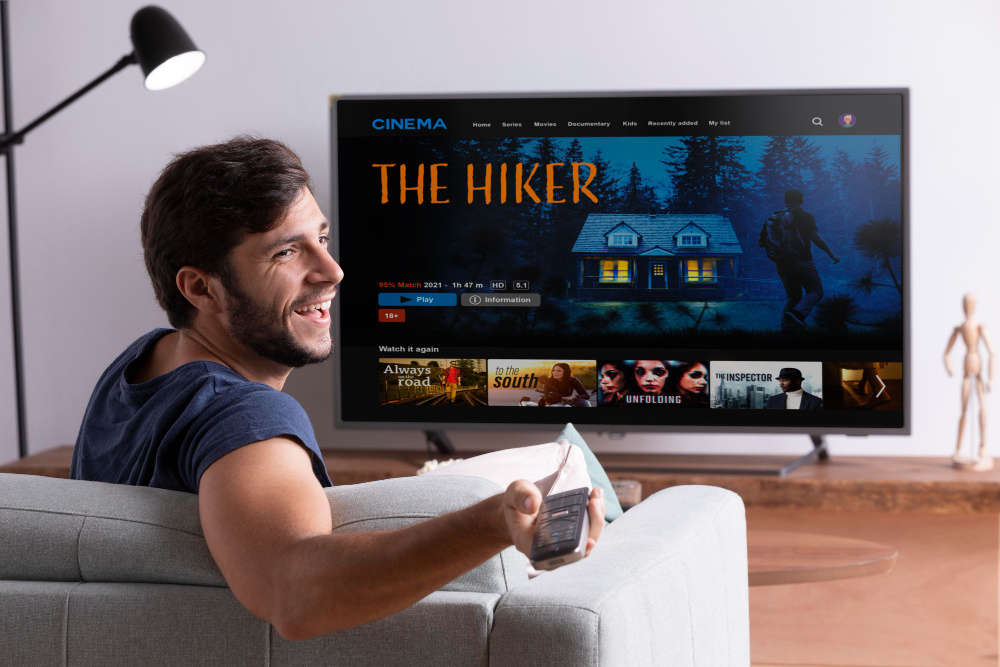
Home entertainment in the Netherlands is undergoing a quiet revolution that is accelerating with each passing month. Millions of Dutch households that once accepted expensive cable television subscriptions from Ziggo and KPN as an unavoidable household expense are discovering that IPTV, Internet Protocol Television, delivers the same content at a fraction of the cost, with greater device flexibility, without binding long-term contracts, and with an international channel selection that traditional Dutch cable providers have never been able to match.
This practical guide is written specifically for Dutch residents throughout the Netherlands who are curious about IPTV and want clear, actionable information. It covers what IPTV is, why it works so well in the Dutch market, what it costs, how to choose a provider, how to set it up, how to troubleshoot problems, and provides honest answers to the questions Nederlandse consumenten ask most frequently before making the switch from traditional cable.
Understanding the Problem: Why Dutch Cable Frustrates Nederlandse Huishoudens
The frustration Dutch consumers feel with traditional television providers is both widespread and well-founded. Ziggo and KPN offer bundled packages that lock Dutch households into 12 to 24-month contracts at prices that have increased year after year. The standard experience for a Dutch household on a Ziggo or KPN television package involves a complex billing structure with a base package price, sports add-on fees, HD service charges, set-top box rental costs, and annual price increase notifications that arrive with frustrating regularity.
When Nederlandse consumenten examine what they actually watch within these expensive packages, the disproportion becomes clear. A typical Dutch household actively watches 6 to 10 channels: NPO 1 for news and public programming, RTL 4 for evening entertainment, SBS6 for reality television, ESPN for football, and perhaps one or two more. The remaining 200 to 400 channels in the cable package serve no regular purpose for the household but are paid for regardless as part of the bundled pricing structure.
Beyond cost, traditional cable is structurally inflexible in ways that conflict with how Dutch households actually live. The television experience is tied to a single set-top box at a fixed location. It does not travel to the vakantiewoning in Zeeland or the mountain apartment for a ski holiday. It cannot simultaneously serve a parent watching NPO Journaal in the living room and a teenager following an Eredivisie match on their phone without additional subscription upgrades. And the entire subscription collapses when the internet goes down, revealing that the distinction between cable television and internet-delivered television is increasingly academic for most Dutch households.
How IPTV Addresses Every One of These Problems
IPTV delivers television content over your existing broadband connection. This means it is device-agnostic (works on your Smart TV, phone, tablet, and computer), location-independent (works anywhere you have internet access), priced competitively (10 to 20 euros per month for comprehensive Dutch packages), and structurally flexible (month-to-month subscriptions with no binding contracts).
For a Dutch household with a fiber connection from KPN or Ziggo in Amsterdam, Rotterdam, Den Haag, Utrecht, Eindhoven, Tilburg, or any of the dozens of Dutch cities with modern broadband infrastructure, IPTV works reliably and delivers a viewing experience that is indistinguishable from cable for the content that most Nederlandse kijkers watch daily. For households in smaller Dutch municipalities or rural provinces including Drenthe, Overijssel, and Zeeland where fiber coverage is less complete, a wired ethernet connection to the streaming device and a speed of at least 15 Mbps supports stable HD streaming.
The Wikipedia article on IPTV explains the technical mechanisms behind this delivery model for readers who want to understand the underlying infrastructure that makes modern IPTV services reliable at the scale serving millions of viewers simultaneously.
The Dutch Internet Infrastructure Advantage
The Netherlands is exceptional among European countries for the quality of its broadband infrastructure. This infrastructure advantage is a critical enabling factor for IPTV adoption at the scale now occurring across the country. According to internet speed measurements published by Speedtest’s Global Index, the Netherlands consistently ranks among Europe’s top performers for both fixed broadband and mobile internet speeds, placing Dutch households in an exceptionally favorable position for data-intensive IPTV streaming.
KPN’s fiber network now covers a substantial majority of Dutch urban households and is expanding into rural provinces. Ziggo’s cable network, upgraded to DOCSIS 3.1 standards, delivers comparable speeds across its extensive coverage area. Regional fiber providers including Delta Fiber, Caiway, Glaspoort, and T-Mobile Fiber are extending competition and coverage into areas previously served by a single operator. The result is that Dutch households across the country have access to the broadband speeds necessary for 4K IPTV streaming on multiple devices simultaneously, at prices that are competitive by European standards.
A City-by-City View: IPTV Across Dutch Communities
Den Haag: Government, Diplomacy, and International Viewers
Den Haag’s unique status as the seat of Dutch government and home to the International Court of Justice, NATO headquarters, numerous embassies, and major international organizations creates a distinctive viewer population. Diplomats, international civil servants, lawyers, and government professionals have above-average requirements for international content access and strong preferences for flexible month-to-month subscriptions that accommodate the transient nature of international professional life.
For viewers in Den Haag, dedicated IPTV services such as IPTV Den Haag are specifically designed to serve the distinctive content needs and viewing patterns of this cosmopolitan city. The combination of Dutch mainstream channels with extensive international packages makes IPTV particularly compelling in a city where households may include viewers from a dozen different countries with correspondingly diverse content preferences.
Amsterdam: Diversity and Density
Amsterdam’s combination of near-total fiber coverage, highly diverse population, and large international community makes it the Netherlands’ leading IPTV adoption market. The city’s neighborhoods each present their own viewer profile: the young professionals of De Pijp and Jordaan, the multicultural communities of Bijlmermeer and Westelijke Tuinsteden, the international expats of the canal belt and Oud-Zuid, and the student neighborhoods surrounding the universities all find compelling reasons to choose IPTV over traditional cable.
Rotterdam: Port City, Global Connections
Rotterdam’s industrial heritage and ongoing status as Europe’s largest port has given the city a deeply international character. The Dutch-Moroccan, Dutch-Turkish, and Dutch-Surinamese communities that have built strong roots in Rotterdam over multiple generations represent IPTV’s most enthusiastic adopters, driven by the international content proposition that no traditional Dutch cable package can match at a comparable price point.
Utrecht and Eindhoven: Students and Innovation
Utrecht’s large student population from Utrecht University, HU University of Applied Sciences, and other institutions creates a highly price-sensitive viewer segment that finds IPTV’s cost and flexibility proposition particularly compelling. Students sharing IPTV subscriptions across multi-connection plans reduce per-person costs to levels that make the switch from any cable alternative straightforward. In Eindhoven, the tech-forward professional community at ASML, Philips, and the broader Brainport ecosystem brings the digital literacy and new-technology adoption mindset that drives early IPTV uptake in the city.
Choosing a Provider: A Complete Evaluation Framework for Dutch Consumers
The Dutch IPTV market has grown rapidly and contains providers across the full quality spectrum. The following framework enables Dutch consumers to consistently identify reliable providers and avoid problematic ones:
Legal and Transparency Indicators
Every credible IPTV provider serving the Nederlandse markt will publish clearly accessible algemene voorwaarden, a GDPR-compliant privacybeleid that explicitly references EU data protection regulations, and a terugbetalingsbeleid covering cancellation and refund conditions. The absence of any of these documents is not an oversight. It is a deliberate signal that the provider does not intend to be held contractually accountable.
Payment Method Acceptance
iDEAL acceptance is the strongest single indicator of a provider operating legitimately within the Dutch market. iDEAL bank partnerships require verified business registration, making it impossible for anonymous operators to accept iDEAL payments. PayPal and major credit cards provide consumer protection mechanisms. Providers that accept only cryptocurrency or bank transfer are operating without any accountability structure.
Trial Subscription Quality
The proefabonnement reveals more about a provider than any marketing material. During the trial, Dutch consumers should specifically test during weekday evenings between 19:00 and 22:00 CET (peak Dutch viewership), verify all channels most important to their household, test the parental control features if relevant, and check catch-up TV functionality for NPO and RTL channels.
Customer Support Responsiveness
Test support before purchasing. Send a pre-sales question via WhatsApp or email and evaluate response time and quality. A provider who responds promptly and accurately to pre-sales questions demonstrates that the support infrastructure exists and functions. One who does not respond, or whose responses are unclear or unhelpful, will not improve after payment is received.
Dutch consumers ready to start exploring should begin with IPTV Nederland providers specifically designed for the Nederlandse markt. When ready to commit, IPTV kopen with a proefabonnement is the only responsible approach for first-time subscribers in the Netherlands.
Complete Setup Guide for Dutch Households
- Speed check: Run speedtest.net. Confirm at least 15 Mbps download for HD, 25 Mbps for 4K. Dutch fiber connections typically deliver 500 Mbps or more, which comfortably supports the most demanding multi-device IPTV household setup.
- Device selection: Samsung, LG, or Philips Smart TV for no additional hardware cost. Amazon Fire Stick (35 to 50 euros at MediaMarkt or Coolblue) for any television without a built-in Smart TV platform. Android phone or tablet for mobile viewing.
- Provider selection: Apply the evaluation framework above. Verify transparency documents, payment method acceptance, and support responsiveness before purchasing.
- App installation: Download IPTV Smarters Pro from your device’s app store. Available free on Samsung, LG, Fire Stick, Android, and iOS platforms.
- Credential entry: Enter the Xtream Codes server URL, username, and password provided by your IPTV provider, or paste your M3U URL. The channel list loads automatically within approximately one minute.
- EPG configuration: Verify that the programme guide shows correct times for Dutch channels. If times are offset by one or two hours, adjust the timezone setting in the app to CET (UTC+1) or CEST (UTC+2) during Dutch zomertijd.
- Connection optimization: Connect your streaming device via ethernet to your router where possible. This eliminates Wi-Fi-related buffering, which is the most common technical issue reported by Dutch IPTV users.
- Systematic testing: Verify NPO channels, sports channels, international packages, parental controls, and catch-up TV during your proefabonnement before cancelling any existing cable subscription.
- Cable cancellation: Contact Ziggo or KPN with the appropriate notice, typically one calendar month. Verify the final billing date to ensure you are not charged for a period after cancellation.
Frequently Asked Questions from Dutch Viewers
Can I use IPTV while traveling within the Netherlands?
Yes. IPTV works anywhere with a stable internet connection. Whether you are at a vakantiewoning in Zeeland, visiting family in Groningen, on a business trip to Eindhoven, or staying in Rotterdam for the weekend, your IPTV subscription works on any supported device you bring with you.
Does IPTV work on my existing television?
If your television is a Samsung, LG, or Philips Smart TV from approximately 2016 or later, it almost certainly supports IPTV apps directly from its built-in app store. Older televisions without Smart TV functionality can be upgraded with an Amazon Fire Stick (35 to 50 euros) or a similar Android TV streaming device that connects via HDMI.
Is there a risk that Dutch IPTV services go offline?
Licensed IPTV providers operating with proper business infrastructure have the same operational stability as any other digital subscription service. The risk of unexpected service termination is highest with unlicensed or anonymous providers that operate without legal accountability. This is another reason why provider selection using the transparency criteria above is essential for Dutch consumers wanting a reliable long-term IPTV service.
Can I watch IPTV in Dutch (Nederlands)?
All major Dutch channels broadcast in Dutch, including NPO 1, NPO 2, NPO 3, RTL 4, SBS6, and regional channels. The IPTV app interface language depends on the specific app used and your device’s language settings. Most IPTV apps used by Dutch viewers including IPTV Smarters Pro support Dutch language settings on compatible devices.
What is the difference between a licensed and unlicensed IPTV service?
A licensed IPTV service has obtained the necessary rights from content rights holders to distribute the channels it offers. It operates within Dutch and EU law, publishes required legal documentation, and accepts standard payment methods. An unlicensed service distributes content without rights holder permission, operates outside legal frameworks, offers no consumer protection, and presents legal risk to users under Dutch copyright law. The practical differences extend beyond legality to service quality, stability, and data security.

Technology
The Dutch Viewer’s Complete Guide to IPTV: What It Is, How It Works, What You Can Watch, and What to Expect Before You Start

Changing how your household watches television is a bigger decision than it might initially appear. The television, and what plays on it, is present at the center of Dutch family life: morning news with the NOS Journaal, children’s programmes in the late afternoon, evening entertainment, and weekend sports. A change in delivery technology is therefore a change in the daily experience of every person in the household, and it deserves more attention than a quick search and an impulsive subscription.
This guide is written for Dutch viewers who want to understand IPTV, Internet Protocol Television, properly before making any decision. It covers what the technology is, how it works in practical terms for a Dutch household, what content is available, what the Dutch broadband environment means for stream quality, how to evaluate any provider responsibly, and what legal protections apply to Dutch consumers. There is no sales pitch here, only information to support your own thinking.
Starting With the Basics: What IPTV Actually Is
IPTV stands for Internet Protocol Television. It is a method of delivering television content over the internet rather than through the cable, satellite, or aerial infrastructure that has traditionally carried broadcast signals into Dutch homes. When you subscribe to an IPTV service, the television channels, sports broadcasts, and on-demand films and series are delivered to your device as data over the same internet connection that you use for everything else: web browsing, email, video calls, and streaming platforms like Netflix.
The experience for the viewer closely resembles traditional cable television. You navigate a list of channels, check an on-screen programme guide to see what is on, watch a live news broadcast or sports match, and switch between channels at will. The difference is entirely behind the experience: no cable signal entering your home from a provider’s network, no set-top box that must be installed by a technician, no contract binding you to a specific address, and no annual price increase letter arriving in January.
What Dutch Viewers Can Watch Through IPTV
The content available through IPTV services targeting the Nederlandse markt is comprehensive and covers the viewing needs of most Dutch households. Understanding what is included helps you assess whether IPTV serves your household’s specific requirements before committing to any subscription.
All major Dutch public broadcasting channels are standard inclusions, covering NPO 1 for news and general programming, NPO 2 for cultural and international content, NPO 3 for contemporary programming, and NPO Zapp and NPO Zappelin for children. The commercial Dutch networks are similarly included: the full RTL Group portfolio (RTL 4, RTL 5, RTL 7, RTL 8) and the SBS Group channels (SBS6, Veronica, Net5). Regional broadcasters including AT5 for Amsterdam viewers, RTV Rijnmond for Rotterdam, Omroep West for Den Haag, and the regional public broadcasters serving other Dutch provinces are typically part of a comprehensive Dutch IPTV subscription.
For Dutch households exploring what a structured iptv abonnement includes in practical terms, the channel coverage, trial availability, device support, and pricing transparency of any specific service are the key factors to verify before making a commitment.
Sports content deserves specific attention because it is often cited as the factor that tips Dutch households from consideration to action. ESPN channels covering Eredivisie football, Ziggo Sport carrying Formula 1 broadcasts and Dutch sporting events, Eurosport for cycling and tennis, and the international sports channels broadcasting other competitions that Dutch viewers follow are typically included in comprehensive Dutch IPTV packages without requiring the separate sports tier add-ons that traditional cable providers charge.
How IPTV Works: The Technology Made Accessible
Understanding a few key technical concepts helps Dutch viewers make better decisions when comparing IPTV services and evaluating quality during a trial period.
Video data is enormous in its raw form and must be compressed before internet delivery. The compression algorithm is called a codec. Most Dutch IPTV services use H.264 encoding, which is compatible with virtually every Smart TV and streaming device made in the past decade. Some services also offer H.265 encoding, which achieves equivalent quality at roughly half the data rate, enabling 4K content delivery at speeds achievable on standard Dutch fiber connections.
The compressed video is delivered in small chunks called segments through a protocol called HLS (HTTP Live Streaming). HLS automatically adjusts video quality based on your internet speed, maintaining continuous playback at the best quality your connection can sustain. This means that a household with a reliable 200 Mbps Dutch fiber connection will consistently receive the highest quality streams, while a household using a slower connection will receive reduced resolution but rarely complete interruption.
For the complete technical picture of how IPTV fits within internet standards, the Wikipedia article on IPTV provides a thorough overview of the delivery architecture, streaming protocols, and industry standards that underpin modern IPTV services.
The Dutch Broadband Foundation
IPTV quality depends directly on internet connection quality, which makes the Netherlands’ exceptional broadband infrastructure an important context for Dutch viewers considering the switch. KPN, Ziggo, T-Mobile, and regional fiber providers including Delta Fiber, Glaspoort, and Caiway together give the majority of Dutch urban households access to connections fast enough for HD and 4K IPTV on multiple devices simultaneously.
For Dutch households in Amsterdam, Rotterdam, Den Haag, Utrecht, Eindhoven, Tilburg, Breda, and most other Dutch cities, internet speed is not a practical constraint for IPTV quality. Even for Dutch families in rural provinces where fiber rollout is less complete, ADSL connections of 20 Mbps or more generally support single-stream HD IPTV reliably. The most common cause of IPTV quality problems in Dutch households is not broadband speed but Wi-Fi interference between the router and the streaming device, which is resolved simply by connecting the device via ethernet cable.
Evaluating Any IPTV Service: The Trial Subscription
The most important step in responsible IPTV evaluation is using a trial subscription. No amount of reading reviews or comparing channel lists substitutes for testing a service on your own device, in your own home, during the viewing hours most important to your household.
The IPTV Proefabonnement is the standard evaluation mechanism in the Dutch market. A legitimate provider offers a genuine trial of at least 24 hours that gives full access to the service, not a restricted preview. During the trial, Dutch viewers should test the specific channels most important to their household, check stream stability during weekday evenings between 19:00 and 22:00 when Dutch viewership and server demand peak, verify that the Electronic Programme Guide displays correct Dutch programme times (CET in winter, CEST in summer during zomertijd), and test sports channel stream quality during a live broadcast if sports viewing is a priority.
Any provider who does not offer a genuine trial should be approached with significant caution. The absence of a trial period is consistently associated with service quality that the provider prefers subscribers not to evaluate before committing payment.
IPTV and Dutch Family Life: Practical Considerations
Children and Content Safety
For Dutch families with children, content safety is a non-negotiable requirement. Most IPTV applications including IPTV Smarters Pro and TiviMate include PIN-protected channel category locking, which prevents children from accessing adult content while keeping family-appropriate channels freely accessible. Dutch parents should specifically test this feature during the trial period for their chosen device. NPO Zapp and NPO Zappelin for Dutch-language children’s content, alongside international children’s channels including Nickelodeon, Cartoon Network, and Disney Channel, are standard inclusions in comprehensive Dutch IPTV packages.
Multiple Screens and Simultaneous Viewing
Dutch families where different household members want to watch different content at the same time need a subscription plan that allows multiple simultaneous connections. Most Dutch IPTV providers offer plans supporting 1, 2, or more concurrent streams. A family where a parent watches NPO 1 news in the living room while a teenager follows Eredivisie football on a tablet needs a plan with at least 2 simultaneous connections. Verify the specific concurrent connection limit for any subscription plan before purchasing.
The Health Dimension: Intentional Viewing
Research on leisure quality consistently identifies the distinction between active and passive media consumption. Passive viewing, where you watch whatever happens to be on because changing the channel requires more energy than tolerating mediocre content, produces lower satisfaction and less restoration than active viewing where content is deliberately chosen. IPTV’s structure, which organizes content by category and provides a programme guide showing upcoming content alongside a catch-up library of recently broadcast programmes, nudges viewers toward more deliberate content selection without requiring any conscious effort beyond navigating the interface differently from a cable channel grid.
IPTV and Multicultural Dutch Households
For the significant proportion of Dutch households with cultural roots outside the Netherlands, IPTV addresses a media access need that traditional cable television has never adequately served. The Netherlands is home to large communities with Moroccan, Turkish, Surinamese, Antillean, Eastern European, and international expat backgrounds concentrated in Amsterdam, Rotterdam, Den Haag, and other Dutch cities. Traditional cable packages contain a limited and expensive selection of international channels. Dutch IPTV subscriptions routinely include extensive Arabic-language, Turkish, English, German, French, and other language channel packages as standard, serving households that want to stay connected to their cultural background through media while also maintaining full access to Dutch mainstream channels.
For Dutch households with international backgrounds exploring their IPTV options, verifying that the specific international channels most important to the household are included during the trial period is essential. Channel availability in community-relevant content varies between providers, and stated channel lists do not always accurately reflect what is available and functional during actual use. Exploring what iptv nederland services targeting multicultural Dutch viewers include, and how they differ in their international channel depth, is an important part of the evaluation process for households with these specific needs.
The Legal and Consumer Rights Framework
Dutch viewers using IPTV services are protected by Dutch consumer law, EU consumer protection directives, and GDPR. These frameworks provide meaningful rights including the right to clear pre-contract information about pricing and terms, a 14-day cooling-off period for new distance contracts, rights to cancel without unreasonable penalties after any minimum contract period, and GDPR rights covering access to personal data, correction, deletion, and portability.
The most important practical legal distinction in the Dutch IPTV market is between licensed and unlicensed services. Licensed services that hold appropriate broadcasting rights operate within Dutch copyright law. Unlicensed services distribute content without rights holder permission, constituting copyright infringement. For Dutch consumers, the practical indicators of a licensed, compliant provider are: published algemene voorwaarden and GDPR-compliant privacybeleid; iDEAL payment acceptance (requiring verified Dutch business registration); a genuine proefabonnement; and responsive, verifiable customer support.
Eurostat’s annual research on EU household internet service adoption, which includes data on online subscription service behavior and digital consumer rights awareness across EU member states including the Netherlands, provides broader context for understanding how Dutch consumers approach digital service evaluation compared to other European markets.
Frequently Asked Questions
Is IPTV suitable for elderly Dutch viewers who are not particularly tech-savvy?
Yes, with appropriate setup support. The daily viewing experience in a well-configured IPTV setup, where the app is already installed and credentials entered, is comparable to using a cable television remote: you browse channels and press play. The initial setup requires entering provider credentials, which can be done by a family member on behalf of an older viewer. The Samsung Smart IPTV application, with its simplified interface, is particularly recommended for Dutch viewers who want a straightforward IPTV experience closest to traditional cable navigation.
What is catch-up TV and does IPTV include it?
Catch-up TV allows you to watch programmes that were broadcast in the past, within a specific time window. This extends the uitzending gemist concept familiar to Dutch viewers through NPO Start across all channels in the IPTV subscription rather than only public broadcasting. Most Dutch IPTV services include catch-up functionality with a replay window of 7 to 30 days depending on the provider. This means a Dutch viewer who misses a prime-time RTL 4 programme on Tuesday can watch it on Thursday without any recording setup.
How does IPTV handle Dutch subtitles for hearing-impaired viewers?
Subtitle availability in IPTV depends on whether the provider’s stream includes subtitle tracks. Dutch public broadcasting streams typically include the same Dutch subtitle tracks as the NPO broadcast, as the IPTV stream is derived from the same broadcast feed. Commercial channel subtitle inclusion varies between providers. Dutch viewers who rely on subtitles for hearing accessibility should specifically test subtitle availability on the channels they watch most frequently during any trial period before subscribing.
Can I watch IPTV on a television that does not have Smart TV features?
Yes. An Amazon Fire Stick (35 to 55 euros, available from MediaMarkt, Coolblue, and bol.com) plugs into any television’s HDMI port and provides full IPTV capability through the Amazon Appstore. An Android TV box provides equivalent functionality with greater technical flexibility. Both options are plug-and-play for most Dutch households and convert any television, regardless of age, into a fully capable IPTV viewer.
South African households are under real financial pressure right now. Electricity costs have risen sharply. Fuel prices have climbed. Grocery bills have grown month on month. And yet millions of households continue to pay upward of R1,000 per month for a satellite television subscription without seriously questioning whether that money is well spent. The growing conversation around IPTV South Africa is, at its core, a financial conversation. It is about whether households can access the same content, or more of it, for a fraction of what they are currently paying. For a large and increasing number of South African families, the answer is turning out to be yes.
This article breaks down exactly how IPTV compares to traditional pay-TV on cost, what the real savings look like over a year, and what a household needs to make the switch successfully. It is not a technical deep dive. It is a practical look at whether IPTV makes financial sense for an ordinary South African household in 2026.
The Real Cost of Traditional Pay-TV in South Africa
To understand the savings IPTV offers, it helps to be precise about what South African households are currently paying for traditional satellite television. A mid-tier package with a reasonable channel selection costs around R700 to R800 per month. Step up to a premium package and that figure rises above R1,000. Add sport packages, extra decoder rentals for additional rooms, or bouquet upgrades for specific content categories, and a household can easily be paying R1,400 to R1,800 per month.
Those figures are before the annual price increases that have become a predictable feature of traditional pay-TV subscriptions in South Africa. Year on year, the cost goes up. The content offering changes, but not always in ways that benefit the subscriber. And the household that signed up for a specific package a few years ago often finds itself paying more today for access to channels it barely watches.
This is the context in which IPTV has arrived as an option. Not as a technology novelty, but as a direct financial alternative to something that a large number of households are already spending significant money on every month.
What IPTV Costs by Comparison
An IPTV subscription in South Africa covers a large channel selection, including local and international news, entertainment, documentaries, children’s content, and live sport, at a price that is substantially lower than any equivalent satellite option. Monthly plans typically start around R100 to R130. Annual plans, paid upfront, reduce the effective monthly cost to around R60 to R70.
The channel selection on a quality IPTV service is broad. Thousands of channels covering content from across Africa, Europe, Asia, and the Americas, plus on-demand movie and series libraries and catch-up functionality for recently broadcast programmes. For the typical South African household that watches a mix of local news, sport, and general entertainment, the content available through IPTV is comparable to or larger than what they access through their current satellite subscription.
Running the numbers is straightforward. A household currently paying R1,200 per month for satellite television spends R14,400 per year. The same household on an annual IPTV plan spends around R800 per year. The annual saving is R13,600. Over three years, that is more than R40,000. For a household managing a tight budget in a high-cost-of-living environment, that is not a trivial amount.
What Your Household Actually Needs to Make the Switch
IPTV is not suitable for every household in South Africa, and being clear about that upfront is important. The technology works over an internet connection, which means the quality of that connection directly determines the quality of the viewing experience. A household without a reliable broadband connection is not in a position to benefit from IPTV, and pretending otherwise would be misleading.
Internet connection requirements
For standard HD streaming, a download speed of 10 Mbps is a practical minimum. For 4K content, 25 Mbps or above provides comfortable headroom. For a household with multiple viewers watching on different devices at the same time, 40 to 50 Mbps is the sensible target. Most South African urban fibre packages now provide speeds well above these thresholds at a monthly cost that has fallen significantly as competition in the market has increased.
According to data from the ITU Global ICT Statistics portal, fixed broadband subscriptions in South Africa have grown steadily in recent years, driven largely by fibre network expansion and falling connectivity costs. For urban households already on fibre, the internet connection requirement for IPTV is not a barrier. For those on LTE, performance is generally acceptable but more variable, and testing during peak evening hours before committing to a long subscription plan is the sensible approach.
Device requirements
IPTV runs on any internet-connected device. Smart TVs from major manufacturers, Android TV boxes, Amazon Fire Sticks, smartphones, tablets, and laptops all support the apps used to access IPTV services. A household does not need to buy new hardware to get started. If you have a Smart TV or a device with an app store, you almost certainly already have what you need.
The most widely used IPTV app in South Africa is IPTV Smarters Pro. A complete guide to how to install IPTV Smarters Pro is available for anyone who wants to walk through the setup process before subscribing. The installation is straightforward and most users are up and running within fifteen minutes of receiving their login credentials from their provider.
Understanding Your IPTV Subscription: What You Get
One of the questions households ask when first looking at IPTV is what exactly they are subscribing to. Unlike satellite television where the channel package is fixed and visible before you sign up, IPTV can seem less tangible to a first-time buyer. Understanding the components of a subscription helps.
Live channels
A quality IPTV service includes thousands of live channels streaming continuously, covering all major categories of content. Local South African channels, African regional channels, international news networks, entertainment channels from multiple countries, children’s programming, documentaries, and live sport. The electronic programme guide shows what is currently airing and what is scheduled, functioning in the same way as the programme guide on a conventional satellite decoder.
On-demand content
Most IPTV subscriptions include access to an on-demand library of movies and series that can be watched at any time, independent of a broadcast schedule. The size and freshness of this library varies by provider, and it is worth asking about it specifically when comparing options. A large, regularly updated on-demand library adds significant value to a subscription, particularly for households with children or for viewers who prefer to watch series at their own pace rather than following a broadcast schedule.
Catch-up and recording
Many IPTV services also include catch-up functionality, allowing viewers to watch programmes that aired in the past few days even if they missed the original broadcast. Some services support recording functionality through compatible apps. Understanding the full scope of what is included in a subscription, and how to organise and navigate it, is easier with a reference guide. A detailed IPTV playlist guide explains how playlists work, how channels are organised, and how to get the most from your subscription once it is set up.
The Hidden Costs to Factor In
Any honest comparison of IPTV and traditional pay-TV needs to account for the full picture, including costs that are easy to overlook on the IPTV side.
Internet costs
If a household is switching to IPTV from satellite television, they are likely replacing a satellite subscription cost with, or adding to, an existing internet bill. For a household that already has a fibre connection they are happy with, this is not an additional cost. IPTV simply uses bandwidth they are already paying for. For a household that does not yet have a suitable internet connection, the cost of upgrading to one needs to be factored into the comparison.
A mid-tier residential fibre package in South Africa providing 50 to 100 Mbps now costs between R500 and R700 per month from most providers. Even adding that cost to the IPTV subscription price, the total of R560 to R770 per month compares favourably with a premium satellite package at R1,200 or more. And for a household already paying for internet connectivity, the marginal cost of IPTV is simply the subscription fee itself.
Data consumption
For households on LTE rather than fibre, data consumption is a real consideration. HD streaming consumes roughly 3 GB per hour. A household watching three hours of television per day would consume around 270 GB per month on HD streams. At LTE data rates in South Africa, this adds up. Fibre is the financially sensible option for heavy IPTV users. For households on LTE who want to trial the service, night-time and weekend data bundles can make the numbers work for lighter usage.
Choosing the Right Provider: What to Look For
The IPTV market in South Africa includes many providers at very different quality levels. The price differences between them are relatively small. The performance differences can be significant. Choosing based primarily on the lowest available price is not a strategy that tends to deliver a good experience.
- Server uptime and stability. This is the most important technical characteristic of an IPTV provider. A service that buffers or goes offline during live sport or peak viewing hours is not a service worth paying for. Look for providers that state a specific uptime commitment and have a track record of delivering on it.
- Support responsiveness. At some point you will need help. A provider offering 24/7 WhatsApp support is available when you need them. A provider with only an email contact and no stated response time is less useful when something stops working at 8pm on a Saturday.
- Trial or short-plan availability. Reputable providers offer monthly plans or trial periods because they are confident in their service. Start with a short plan before committing to anything longer, regardless of which provider you choose.
- Channel list transparency. Before subscribing, confirm the specific channels your household cares about are on the list and that they stream reliably. Providers willing to share a detailed channel list are more trustworthy than those who advertise only a total channel count.
A Practical Guide to Making the Switch
For a household that has decided to try IPTV, the practical steps are straightforward.
Start by running a speed test on your internet connection at the times you typically watch television. Evening hours are when most households stream, and this is when connection quality matters most. If your speed test shows consistent performance above 25 Mbps during peak hours, you have a connection that will support IPTV comfortably.
Next, choose a provider and sign up for a one-month plan. Download IPTV Smarters Pro or your preferred player app on your primary viewing device, enter the credentials supplied by your provider, and work through the initial setup. Most providers offer WhatsApp support for this process and can walk you through any steps that are unclear.
Watch the service for a full month, across the range of content your household typically watches. Test it during peak evening hours. Watch live sport if that matters to your household. Check whether the on-demand content meets your expectations. At the end of the month, if the service has performed well, move to an annual plan to access the lower monthly rate.
Cancel your satellite subscription. The saving from that point forward is money that stays in your household budget.
The Financial Case Is Clear
For South African households looking for meaningful ways to reduce monthly expenses without sacrificing quality of life, the television bill is one of the most actionable items on the list. The saving available by switching from a premium satellite subscription to a quality IPTV provider is real, substantial, and immediate. It does not require lifestyle sacrifices or compromises on the content your household watches. It requires a suitable internet connection, a fifteen-minute setup process, and a willingness to try something different from what you have always done.
In a cost of living environment where most expenses are going in one direction, this is one that can go the other way. That is a rare thing, and it is worth taking seriously.

The growing demand for clean and reliable energy has made solar-powered solutions more popular than ever. A power station combined with a solar power generator offers an eco-friendly way to produce electricity without relying on fuel or noisy engines. These systems allow people to power appliances during outdoor trips, emergencies, and even daily home use. Brands such as OUPES have made solar generators more accessible by creating efficient and user-friendly systems that store energy for later use.
Understanding how a solar generator works may seem complicated at first, but the process is actually quite simple. It involves capturing sunlight, converting it into electricity, storing that electricity, and then delivering power to devices when needed. In this article, we will explore the entire process step by step so you can clearly understand how solar generators provide dependable energy.
What Is a Solar Generator?
A solar generator is a system designed to convert sunlight into usable electrical energy and store it for later use. Unlike traditional fuel generators that burn gasoline or diesel, solar generators rely on sunlight, making them cleaner and quieter. A typical system includes solar panels, a battery, a charge controller, and an inverter that converts stored energy into usable power.
Solar generators are becoming popular among campers, homeowners, and people preparing for emergencies. Because they produce renewable energy, they reduce dependence on fossil fuels while offering reliable backup power during outages.
Key Components of a Solar Generator
Before explaining the step-by-step process, it is important to understand the main parts of a solar generator system. Each component plays a critical role in converting sunlight into electricity.
Solar Panels
Solar panels are responsible for capturing sunlight and turning it into electrical energy. These panels contain photovoltaic cells that absorb sunlight and convert it into direct current (DC) electricity. The efficiency of a solar generator often depends on the quality and size of its solar panels.
Solar panels work best when placed in direct sunlight without shade. As sunlight hits the photovoltaic cells, electrons begin to move, generating electrical current. This energy then travels through cables to the rest of the system.
Battery Storage
The battery is one of the most important components in a solar generator. It stores the electricity produced by solar panels so that it can be used later when sunlight is not available. Modern systems, including many products from OUPES, use lithium-ion or lithium iron phosphate batteries because they are lightweight, durable, and capable of storing large amounts of energy.
Battery capacity determines how long a solar generator can power devices. Larger batteries can store more electricity, which means longer usage times before needing to recharge.
Charge Controller
The charge controller manages the flow of electricity between the solar panels and the battery. Its main job is to prevent overcharging or over-discharging the battery. Without a charge controller, the battery could become damaged due to unstable power input.
This component ensures that energy enters the battery safely and efficiently. It also helps maintain battery health over time, which increases the overall lifespan of the solar generator system.
Power Inverter
Most household devices operate on alternating current (AC), while solar panels produce direct current (DC). The inverter converts the stored DC electricity in the battery into AC electricity that appliances can use.
This conversion process allows a solar power generator to run everyday electronics such as televisions, refrigerators, and charging devices. The quality of the inverter often determines how stable and reliable the output power will be.
Step-by-Step Process of How Solar Generators Work
Now that we understand the main components, let’s look at how the entire system works from start to finish.
Step 1: Capturing Sunlight
The first step begins with solar panels absorbing sunlight. Photovoltaic cells inside the panels react with sunlight and create electrical energy through the photovoltaic effect. When sunlight hits the cells, electrons move within the semiconductor material, generating direct current electricity.
This process happens instantly when sunlight is available. The more sunlight the panels receive, the more electricity they can generate. That is why placing panels in open areas with maximum sun exposure significantly improves performance.
Step 2: Converting Solar Energy into Electricity
Once the solar panels capture sunlight, they convert it into DC electricity. This electricity flows through wires and enters the charge controller. At this stage, the energy is still raw and needs regulation before being stored in the battery.
The charge controller monitors voltage levels and ensures that the electricity entering the battery is stable and safe. This step protects the battery from potential damage caused by excessive power input.
Step 3: Storing Energy in the Battery
After the electricity passes through the charge controller, it is stored in the battery system. The battery acts as the energy reservoir of the solar generator. This stored energy becomes available for use whenever the user needs power.
For example, if someone charges their portable power station during the day using solar panels, they can use the stored electricity at night to power lights or electronic devices. This ability to store energy makes solar generators practical even when the sun is not shining.
Step 4: Converting Stored Power for Devices
When a device needs electricity, the stored energy in the battery passes through the inverter. The inverter converts DC electricity into AC power, which is compatible with most household appliances.
This process happens automatically inside the solar generator system. Users simply connect their devices to the output ports, and the system delivers the necessary power. Some modern generators even include USB ports, DC outputs, and AC outlets for multiple device types.
Step 5: Delivering Power to Appliances
In the final step, electricity flows from the inverter to connected devices. Whether charging a phone, running a small refrigerator, or powering lights during a blackout, the solar generator provides stable and quiet electricity.
Many systems also include smart displays that show battery levels, input power from solar panels, and output power usage. This allows users to monitor energy consumption and manage power efficiently.
Advantages of Using Solar Generators
Solar generators offer several advantages compared to traditional fuel-powered generators. First, they produce clean energy without harmful emissions, making them environmentally friendly. Second, they operate silently since there are no engines or moving parts.
In addition, solar generators require very little maintenance. Once the system is set up, users simply need to keep the solar panels clean and ensure proper sunlight exposure. This simplicity makes solar generators an attractive option for both beginners and experienced users.
Conclusion
Solar generators represent a simple yet powerful way to harness the energy of the sun. By capturing sunlight, converting it into electricity, storing it in batteries, and delivering power to devices, these systems provide reliable energy without pollution or noise.
Understanding how these systems work step by step helps users make informed decisions when choosing renewable energy solutions. As technology advances and solar adoption grows worldwide, solar generators will continue to play an important role in providing clean and sustainable power for the future.

How IPTV is Transforming Home Entertainment Across the Netherlands: A Complete Practical Guide for Dutch Viewers in 2026

The Dutch Viewer’s Complete Guide to IPTV: What It Is, How It Works, What You Can Watch, and What to Expect Before You Start

Vograce Acrylic Stands – Perfect for Merch & Promotions

Can Switching to IPTV Help French Households Reduce Their Monthly Bills?

Can Switching to IPTV Help Dutch Households Reduce Their Media Costs?
Can IPTV Help South African Households Beat the Rising Cost of Living?

How Solar Generators Work: Step-by-Step Explanation

Discover with a Leading Morocco Travel Company
IPTV Smarters Pro en France : Le Guide Complet pour Choisir le Bon Abonnement en 2026

Truck Repair Shop – Suspension Specialists and General Mechanics for Heavy and Light Trucks

How Do Morocco Tour Companies Ensure Safe and Comfortable Travel?

Roofing Services in Orem: Trusted Orem Roof Company for Lasting Protection

Heathridge Partners Tokyo Japan on the Value of Wealth Simplicity in a Complex World

Vision Excellence on the West Coast: Your Guide to Finding a Top Optometrist in Milnerton

Expert Eye Care in the Southern Suburbs: Your Guide to Finding a Premier Optometrist in Tokai
Is Trading Is The Best Investment Option After Retirement?

The Ultimate Guide to 35mm Film Developing Lab

Save on Campervan Rentals with a roadsurfer Gutscheincode

10 Things to Do in Punta Mita

Best Things to Do in New York City – Ultimate Travel Guide

Explore New Real Estate Programs in Marrakech

Tailored Tours to Switzerland | Private & VVIP Experiences

Why is there a white spot on my laptop screen?

How to Be the Best Real Estate Agent Murfreesboro

Find the Best Real Estate Agents Main Line

Shana Roberts Northbrook | Discover Her Story

Guide to Buying Testosterone Propionate Safely and Effectively

Andreea Dragoi | Swimmer & Model Extraordinaire

The Ultimate Guide to Wedding Photographers Charlotte

Effective Property Management in Marrakech Morocco
-

 Fashion7 months ago
The Future of Aesthetic Treatments in 2025: Trends to Watch
-

 Fashion7 months ago
The Rise of Print-on-Demand in Fashion: Personalization Meets Sustainability
-
General5 months ago
qaAWSDFGV HJJKLLL;M L’
-

 Gaming3 months ago
Gaming News: The Ever-Evolving World of Video Games in 2025
-
 Health2 months ago
Vision Excellence on the West Coast: Your Guide to Finding a Top Optometrist in Milnerton
-
 Health2 months ago
Expert Eye Care in the Southern Suburbs: Your Guide to Finding a Premier Optometrist in Tokai
-
 News2 months ago
Heathridge Partners Tokyo Japan on the Value of Wealth Simplicity in a Complex World
-
 Home Improvement2 months ago
Roofing Services in Orem: Trusted Orem Roof Company for Lasting Protection