
General
Best Signatures Styles for your name

Get your name Best Signatures Styles Now
E Signature ideas and style for my name | e signature onlineHere are some signature style ideas you can try for your name:
1. Classic and Elegant
- Use cursive or flowing script.
- Incorporate larger initials with a smooth, looping flow between letters.
- Tail off the end of the signature with a sweeping line.
2. Bold and Modern
- Use block letters or bold strokes.
- Add some sharp angles or minimal flourishes.
- Keep the design clean and strong, with clear separations between letters.
3. Minimalist
- Focus on simplicity, using just initials or a shortened version of your name.
- Avoid any flourishes, keeping the lines straight and neat.
- Ensure the letters are evenly spaced and proportional.
4. Flourished or Artistic
- Add creative flourishes or decorative elements to the letters.
- Include loops, underlines, or additional swirls.
- Ideal if you want an artistic or personalized touch.
5. Underlined Signature
- Incorporate a stylish underline beneath your name for added emphasis.
- The underline can be straight, wavy, or even loop around the end of the name.
6. Initials with Monogram
- Create a signature using just the initials of your name.
- Combine the initials into a monogram, merging the letters in creative ways.
7. Slanted/Italicized
- Write the signature in a slightly slanted or italicized form for a modern and dynamic look.
- This adds energy and motion to the signature.
8. Loopy and Freehand
- Make the signature feel more playful and informal with loose, loopy strokes.
- Vary the size and spacing of letters for a relaxed, free-flowing feel.
9. Digital/Geometric
- If you like more structured designs, use straight lines and geometric shapes.
- Keep everything angular and avoid curves for a modern, almost digital feel.
1. Know Your Style
- Decide whether you want a simple, bold, or elegant look.
- Consider your personality and what you want your signature to reflect: professionalism, creativity, or minimalism.
2. Start with Your Name
- Write your full name a few times. See how it flows naturally.
- Try different versions: just initials, first and last name, or a shortened version of your name.
3. Experiment with Fonts
- Practice writing your name in different fonts:
- Cursive: Flowing, connected letters.
- Print: Clear, separate letters.
- Mix: Combine cursive and print for a unique look.
4. Add a Unique Element
- Add a flourish: like a loop on your letters, a stylish underline, or extra swirls.
- Capitalize certain letters or enlarge your initials to stand out.
- Create a monogram using your initials in a creative way.
5. Focus on Balance
- Ensure the signature has a balanced look, with equal emphasis on the start and end.
- Pay attention to spacing between letters to avoid a cluttered or uneven appearance.
6. Keep It Simple
- Don’t overdo it with too many decorative elements.
- Make sure the signature is legible and easy to reproduce quickly, especially if you need to sign documents often.
7. Practice, Practice, Practice
- Once you settle on a style, practice until it feels natural.
- You want to be able to sign quickly and consistently.
8. Test Different Materials
- Try signing with different pens, markers, or digital tools to see which feels the best.
- Some people find certain tools help them achieve a smoother, more refined look.
9. Digitize Your Signature (Optional)
- If you want to use your signature digitally, scan or photograph your best version.
- You can also use tools like Adobe Illustrator or other graphic design software to refine the digital version.
10. Get Feedback
- Show your signature to others and see how they perceive it. Sometimes feedback can help you improve small details.


Fintech Leader Highlights How Lean Teams Are Driving Faster Decisions, Stronger Ownership, and Better Outcomes
TYLER, TX, USA – April 8, 2026 – Sabeer Nelli, CEO of Zil Money, has highlighted a growing shift in how modern businesses are structured, noting that smaller, focused teams are increasingly outperforming larger organizations. According to Sabeer, while scale was traditionally associated with strength, many companies are now recognizing that lean teams often move faster, make clearer decisions, and maintain stronger accountability.
Sabeer explains that larger teams tend to introduce complexity as organizations grow. Multiple layers of communication, extended approval cycles, and overlapping responsibilities can slow execution and dilute ownership. In contrast, smaller teams are able to operate with greater clarity, allowing individuals to take direct responsibility for outcomes.
“Smaller teams create clarity,” says Sabeer. “When there are fewer layers, decisions happen faster and accountability becomes more visible. People know what they are responsible for, and that drives better execution.”
He notes that lean teams also benefit from stronger alignment. With fewer individuals involved, communication becomes more direct and priorities are easier to maintain. This reduces misunderstandings and ensures that teams remain focused on the most important objectives.
Sabeer also highlights that smaller teams encourage a greater sense of ownership among employees. When individuals are closer to the outcome of their work, they are more engaged and motivated to contribute meaningfully. This often leads to higher-quality results and more consistent performance.
He believes that advances in technology have made it possible for smaller teams to achieve what previously required larger organizations. With access to digital tools, automation, and global collaboration platforms, businesses no longer need large headcounts to manage complex operations.
Contact Info
Website: www.sabeer.com
LinkedIn: linkedin.com/in/sabeer-nelliparamban

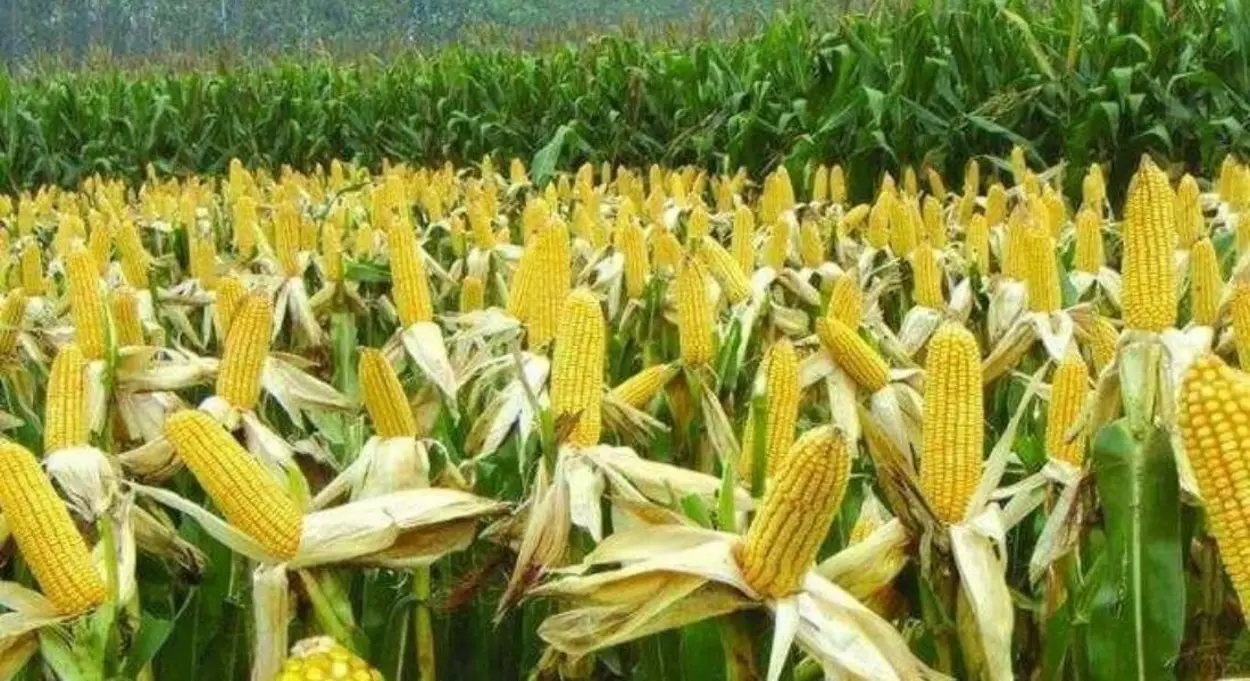
Farming has always played a significant role in Native American culture. Animated Mississippian Maize captures this rich history in a visually engaging way. It showcases how ancient communities relied on maize for survival and trade. This animation connects the past to the present, helping viewers appreciate indigenous agricultural expertise. Simple storytelling and digital tools bring forgotten traditions back to life. Let’s explore how this animation sheds light on Native farming.
Key Takeaways
- Animated Mississippian Maize preserves indigenous farming traditions.
- It highlights the deep connection between Native people and agriculture.
- The animation brings history to life for modern audiences.
- Understanding Mississippian maize farming enriches historical knowledge.
- Digital tools help spread awareness of traditional farming techniques.
The Importance of Maize
Maize was more than just a crop—it was a lifeline. Indigenous communities used maize for food, trade, and ceremonies. Animated Mississippian Maize highlights how farming techniques evolved, ensuring sustainability.
“Maize farming shaped the economy and culture of Mississippian societies.”
By studying these methods, we gain insight into efficient and eco-friendly agriculture. Traditional planting strategies, like the Three Sisters method, remain valuable today.

Farming Techniques in Animation
Animation breathes life into historical knowledge. Animated Mississippian Maize uses visuals to demonstrate planting, harvesting, and storage. It highlights how indigenous farmers cultivated maize alongside beans and squash. These techniques improved soil fertility and ensured food security.
“Traditional farming methods emphasize sustainability and resourcefulness.”
Educators can make history more engaging by incorporating animation. This approach helps students and researchers understand the wisdom behind early agricultural practices.
Cultural Significance of Maize
Maize wasn’t just food; it was part of rituals and storytelling. Animated Mississippian Maize explores how indigenous people saw maize as a sacred gift. It played a role in ceremonies, myths, and social structures.
Key cultural aspects include:
- Spiritual Meaning: Many tribes viewed maize as a symbol of life.
- Community Bonding: Farming strengthened social connections.
- Oral Traditions: Stories about maize passed knowledge to future generations.
Understanding these traditions helps preserve indigenous heritage and respect their contributions to agriculture.
How Animation Educates Viewers
Digital tools make learning accessible. Animated Mississippian Maize simplifies complex historical concepts. It helps students visualize how farming shapes communities.
Benefits of Animation in Education
- Engages young learners with colorful storytelling.
- Provides a visual timeline of agricultural development.
- Connects history with modern sustainability practices.
With animation, Native farming traditions reach a broader audience. This ensures the preservation of cultural knowledge.
Modern Lessons from Ancient Farming
Traditional maize farming techniques still hold value today. Animated Mississippian Maize teaches modern farmers about soil health, crop rotation, and organic methods. These ancient practices align with sustainable farming goals.
Key Lessons
- Companion Planting: Boosts crop growth naturally.
- Soil Conservation: Prevents erosion and improves fertility.
- Natural Pest Control: Reduces the need for chemicals.
By studying indigenous methods, we can develop more eco-friendly farming systems.
Conclusion
Animated Mississippian Maize is more than just a visual story; it is a bridge between past and present. It honors Native farming traditions and educates audiences about sustainable agriculture. As we explore the wisdom of ancient farmers, we gain valuable insights into modern farming and cultural appreciation.
FAQs
1. Why is maize important in Native history?
Maize was a staple crop that supported entire communities. It played a crucial role in food, trade, and cultural traditions.
2. How does animation help preserve history?
Animation makes complex topics engaging and accessible. It visually demonstrates traditional farming techniques.
3. What farming methods did Mississippian cultures use?
They used techniques like the Three Sisters planting, crop rotation, and organic soil enrichment.
4. Can we apply these farming methods today?
Traditional methods promote sustainability, soil health, and efficient crop production.
5. Where can I watch Animated Mississippian Maize?
Educational resources and animations are found in museums, history websites, and Indigenous organizations.

IPTV Pricing 2026: Real Costs Compared to Cable TV and Streaming Services

Digital Divide in French Education: IPTV Infrastructure Gaps Impact Rural Student Learning

Why Choose Leadburst Digital as Your Lead Generation Agency?

Catch-Up TV and Replay on IPTV Smarters Pro: How to Watch Missed French Programmes in 2026

M3U vs Xtream Codes API: Which IPTV Connection Method Works Better for French Subscribers?
Quelle Application IPTV Choisir pour sa Smart TV en France : Comparatif 2026

Why Smaller Teams Are Outperforming Larger Organizations: Sabeer Nelli Explains the Shift

Modern Interior Design Services in Bangkok: Transform Your Space Today

TiviMate Catch-Up TV: How Terugkijken Works for Belgian and Dutch Viewers (And When It Does Not)

Paying for IPTV in the Netherlands: iDEAL, Cancellation Rights, and What Your Provider Owes You
How to Watch Dutch and Belgian TV During Your Vacation (Without a VPN That Half-Works)
IPTV for Dutch Families: Children’s Channels, Parental Controls, and What Parents Actually Need to Know
The Dutch Sports Fan’s Television Problem (And Why IPTV Is the Only Honest Answer)
How IPTV is Transforming Home Entertainment Across the Netherlands: A Complete Practical Guide for Dutch Viewers in 2026
The Dutch Viewer’s Complete Guide to IPTV: What It Is, How It Works, What You Can Watch, and What to Expect Before You Start
Is Trading Is The Best Investment Option After Retirement?

The Ultimate Guide to 35mm Film Developing Lab

10 Things to Do in Punta Mita

Save on Campervan Rentals with a roadsurfer Gutscheincode

Best Things to Do in New York City – Ultimate Travel Guide

Tailored Tours to Switzerland | Private & VVIP Experiences

Explore New Real Estate Programs in Marrakech

Why is there a white spot on my laptop screen?

How to Be the Best Real Estate Agent Murfreesboro

Find the Best Real Estate Agents Main Line

Guide to Buying Testosterone Propionate Safely and Effectively
6×7

Effective Property Management in Marrakech Morocco

Throne Of Seal Insert E108 Pan Xiuyu

Shana Roberts Northbrook | Discover Her Story
-
 News5 months ago
The Dutch Sports Fan’s Television Problem (And Why IPTV Is the Only Honest Answer)
-
 Technology5 months ago
How to Watch Dutch and Belgian TV During Your Vacation (Without a VPN That Half-Works)
-
 Technology6 months ago
How IPTV is Transforming Home Entertainment Across the Netherlands: A Complete Practical Guide for Dutch Viewers in 2026
-
Technology6 months ago
The Dutch Viewer’s Complete Guide to IPTV: What It Is, How It Works, What You Can Watch, and What to Expect Before You Start
-
 Technology5 months ago
IPTV for Dutch Families: Children’s Channels, Parental Controls, and What Parents Actually Need to Know
-
Technology5 months ago
Quelle Application IPTV Choisir pour sa Smart TV en France : Comparatif 2026
-
 Technology5 months ago
Paying for IPTV in the Netherlands: iDEAL, Cancellation Rights, and What Your Provider Owes You
-
Technology3 months ago
Catch-Up TV and Replay on IPTV Smarters Pro: How to Watch Missed French Programmes in 2026