Entertainment
Andreea Dragoi | Swimmer & Model Extraordinaire


Andreea Dragoi is a name that stands out. She’s not just making waves in the swimming pool but is also turning heads in the modelling world. A rare combination, isn’t it? For anyone wondering how someone can excel in two demanding careers, Andreea’s story is an inspiring example of what happens when passion meets dedication.
In this article, we’ll explore the path Andreea has taken, from her earliest days to her current status as a dual-career extraordinaire. We’ll look into how she discovered her passions, the challenges she faced, and the advice she has for aspiring swimmers and models. Whether you’re a fan, an aspiring athlete, or someone dreaming of the catwalk, there’s a lesson in Andreea’s story for you.
What exactly do you do for a career?
Andreea Dragoi wears many hats. By day, she is a competitive swimmer, pushing herself to the limits in pursuit of excellence. By evening, she steps into the glamorous world of fashion as a model, where she graces runways and magazine spreads. Both roles demand an extraordinary level of discipline, focus, and creativity.
Balancing these two careers is no small feat. Each requires rigorous training, mental fortitude, and an understanding of the subtler nuances of both sports and fashion. But Andreea thrives in this dual environment, showing that with the right mindset, it’s possible to pursue multiple passions with equal vigour.
Her careers allow her to not only express her physical abilities but also her sense of style and grace. It’s this duality that makes her a standout figure in both arenas.
What was the process for you to find what you wanted to do?
Finding her path wasn’t something that happened overnight for Andreea. It was a process of exploration and self-discovery. Growing up, she always had a love for swimming, a passion that was ignited during childhood visits to the local pool. The water felt like a second home to her, offering a space of solace and challenge.
Her foray into modelling came later, almost serendipitously. Encouraged by friends and family who saw potential in her striking looks and natural poise, Andreea decided to give modelling a try. It was in this new world that she found another love, a place where she could express her creativity and connect with audiences in a completely different way.
What is the most rewarding part of your job?
For Andreea, the most rewarding aspect of her dual career lies in the impact she can have on others. In swimming, it’s about inspiring young athletes to pursue their goals, showing them that dedication and hard work pay off. Every win in the pool is a testament to the countless hours of training and commitment, and it’s fulfilling to share that sense of achievement with others.
In modelling, the reward comes from transformation and storytelling. Each photoshoot and runway show is a new opportunity to portray a narrative, to bring a designer’s vision to life. Andreea loves the creativity involved in this process and the chance to influence the fashion world while staying true to herself.
It’s this blend of inspiration and creativity that fuels her passion and keeps her striving for excellence in both fields.
Can you tell us about your job?
In the pool, Andreea’s day starts early with intense training sessions. These include not just swimming laps but also strength training and mental preparation. Every stroke is carefully calculated, every breath measured, all in pursuit of perfection and speed.
Modelling, on the other hand, demands a different kind of preparation. From maintaining her physique to learning to walk the runway with poise to understanding the art of posing for the camera, Andreea has honed skills specific to the fashion industry. Each photoshoot or show requires adaptability and the ability to convey emotion through physical expression.
What is your greatest success so far?
When you ask Andreea about her greatest success, she doesn’t point to a single race or a notable modelling gig. Instead, she considers her ability to excel in both fields her most significant achievement. It’s not just about the medals won or the covers graced; it’s about the ability to maintain the balance between her two passions.
Every new milestone in swimming or modelling, be it a personal best time or a major campaign, is a reflection of her hard work and dedication. These successes are important, but they are also stepping stones in a much larger journey.
For Andreea, success is about continuous growth and pushing boundaries, an ethos that drives her every day.
Where did you grow up?
Andreea’s roots trace back to her hometown, where she was first introduced to the world of swimming. Growing up with supportive family and friends in a close-knit community provided her with the foundation she needed to explore her talents.
The local pool became her training ground, a place where she developed her skills and fell in love with the sport. It’s there she learned the value of persistence and resilience, traits that have carried her through both of her demanding careers.
Her upbringing in such a nurturing environment instilled in her a strong sense of self-belief and curiosity, which she carried forward into the world of fashion and athletics.
What are some of the challenges you faced along the way?
Andreea’s path has not been without its challenges. Balancing two demanding careers often means making sacrifices, whether it’s missing social events or managing fatigue. Each field comes with its own set of pressures, from the grueling training schedules of swimming to the fast-paced and often unpredictable world of fashion.
In swimming, injuries and setbacks are part of the landscape, requiring mental toughness and a commitment to recovery. In modelling, the challenge often lies in staying true to oneself in an industry that values appearance and conformity.
What does it take to be a successful swimmer and model?
Success in both swimming and modelling requires a unique combination of traits. For swimming, it’s about discipline, endurance, and an unwavering focus on improvement. Every training session and competition is a test of your mental and physical limits.
Modelling demands a different skill set, including confidence, adaptability, and the ability to connect with an audience. It’s about bringing a personal touch to each project, making it your own while staying true to the designer’s vision.
What advice would you give to a young swimmer and model?
For those looking to follow in her footsteps, Andreea advises staying true to oneself. It’s important to pursue your passions, even if they seem unconventional or challenging. She encourages young swimmers and models to work hard, stay committed, and never lose sight of why they started.
Andreea also emphasizes the importance of surrounding yourself with supportive people who believe in your dreams. Mentors, coaches, and family can provide invaluable guidance and encouragement.
Who is your biggest inspiration?
When asked about her inspiration, Andreea credits her family and coaches for their unwavering support and belief in her abilities. They have been with her every step of the way, providing encouragement and guidance through thick and thin.
In the world of sports and fashion, she draws inspiration from athletes and models who have successfully navigated dual careers, proving that it’s possible to excel in more than one field. Their stories motivate her to keep pushing the envelope and redefining what is possible.
Final Words
Andreea Dragoi’s story is a testament to what can be achieved with passion, dedication, and a willingness to pursue multiple dreams. Her dual careers in swimming and modelling serve as a source of inspiration for anyone looking to carve their unique path.
Her journey exemplifies the power of perseverance and the importance of staying true to oneself. Whether in the pool or on the runway, Andreea continues to shine, proving that with the right mindset and support, anything is possible.



The answer, for most French households, is yes. And the saving is not marginal. When French consumers make an honest, complete comparison between the total cost of their current television setup and the cost of a well-chosen IPTV subscription, the gap is typically significant enough to represent a meaningful improvement in the household budget. IPTV Smarters Pro has moved from a niche alternative to a mainstream choice, and one of the main reasons is the financial case that becomes clear when you actually run the numbers.
The challenge is that most people do not run those numbers properly. They compare the headline subscription price of an IPTV service against the headline subscription price of their cable package, without accounting for the full range of charges that make up their actual television spend. Equipment rental, premium content add-ons, installation fees, contract renewal uplifts, and overlapping streaming subscriptions that IPTV could consolidate are all part of the real cost picture, and they are all absent from the comparison that most people make.
This article sets out to make that comparison properly. Not by cherry-picking the best-case scenarios for IPTV, but by working through the actual cost structures of both cable and IPTV in France and identifying where the savings genuinely come from. The result is a clearer picture of what switching actually means for household finances, and why the decision makes sense for such a large proportion of French viewers.
Dissecting the True Cost of Cable Television in France
A French cable television subscription, viewed in full rather than just at its headline price, typically consists of several distinct cost components. The base subscription is the most visible, covering access to the standard channel package and the associated services. This is the figure advertised prominently in promotional materials and the one that most subscribers mentally associate with their television cost.
Equipment rental sits below this in visibility but above it in cumulative impact. Cable providers charge a monthly fee for the set-top box hardware that connects your television to their network. This hardware is owned by the provider, maintained by the provider, and returned to the provider when you cancel. The monthly rental charge is paid throughout the lifetime of the subscription, often amounting to a significant total over a multi-year contract. The economics of this arrangement favor the provider: the hardware cost is recovered quickly, and the rental fees that follow are essentially pure margin.
Premium content tiers add further to the total. Sports packages, cinema subscriptions, and access to specific broadcasting rights are typically sold as add-ons to the base subscription. Each one carries its own monthly charge, and the combination of base subscription plus two or three premium add-ons can push the total monthly television spend to a level that most households would consider high if they saw it as a single figure rather than as several smaller ones spread across different bills.
The Abonnement IPTV model is simpler and cheaper across all of these dimensions. The subscription covers everything that is included in the package. There is no equipment rental because the service runs on hardware you already own. Premium content is typically included rather than sold as an add-on. And the price you pay today is the price you continue to pay, without annual reviews that push costs upward.
Lyon households have been particularly active in making this comparison and acting on it. The city’s strong fibre infrastructure makes IPTV a reliable option, and the financially aware population has responded to the value proposition. For Lyon-based viewers considering the switch, this IPTV Lyon provides locally relevant information to help with the decision.
Where the Savings Come From: A Realistic Analysis
The savings available from switching to IPTV in France come from several sources, and understanding each one helps set realistic expectations for what the transition will deliver for a specific household.
The most immediate saving comes from eliminating equipment rental. The monthly hardware charge from a cable provider, multiplied over a typical subscription lifetime, adds up to a meaningful sum. With IPTV, this charge disappears entirely. Your existing smart television, streaming stick, or Android box becomes your receiver, and no rental fee applies.
The consolidation of overlapping subscriptions is often the largest single source of saving. Many French households are currently paying for cable television alongside one or more streaming services that provide content they could access through a comprehensive IPTV subscription. Identifying these overlaps and consolidating them into a single IPTV subscription can produce savings that dwarf the direct cable-versus-IPTV price comparison.
The absence of a minimum contract is a saving that is harder to quantify but real. Cable subscribers who want to leave before their contract ends typically face early termination charges. With IPTV, there is no such constraint. If your circumstances change, if you travel for an extended period, if you want to try a different provider, or if you simply want to pause your subscription, you can do so without financial penalty. That flexibility has a value that does not appear in any monthly comparison but is nonetheless real.
Understanding the Quality-Cost Relationship in IPTV
A common concern about IPTV as a money-saving alternative to cable is that the lower cost must come at the expense of quality. This concern is understandable but largely unfounded for households on good broadband connections. The quality of an IPTV viewing experience on a fibre connection is excellent. HD and 4K content are delivered smoothly and consistently. Channel loads are fast. The electronic programme guide is comprehensive. The catch-up library is accessible and functional.
The quality-cost relationship in IPTV is different from that in cable because the cost structure is different. Cable providers carry significant fixed infrastructure costs: physical cables, exchange points, maintenance teams, and hardware logistics operations. These costs must be recovered through subscription fees regardless of how efficiently the system operates. IPTV providers use shared internet infrastructure that is maintained by broadband providers at their expense. The cost base is lower, which is why the subscription price can be lower without sacrificing the investment in content and service quality.
According to 01net, French consumers who have switched from cable to IPTV consistently report that the quality of their viewing experience was maintained or improved after the switch. The fear that lower cost means worse service, while understandable given how often it is true in other consumer categories, does not match the typical experience of IPTV subscribers in France.
Making the Switch Without Risk
The practical process of switching from cable to IPTV in France carries little risk if approached sensibly. The recommended approach is to take advantage of the trial period offered by most reputable IPTV providers. Subscribe to the trial, install the application on your primary viewing device, and spend at least a week watching the service under real conditions, including peak evening hours and any major live events that fall within the trial period.
During this trial, continue your cable subscription. There is no need to cancel anything prematurely. The goal is to establish, through direct experience rather than theoretical comparison, that the IPTV service delivers on its promises. If it does, you can cancel your cable subscription at the end of your current billing period, typically with minimal administrative effort. If it does not, you have lost nothing and learned something useful about what to look for in the next provider you evaluate.
The transition itself requires no technical expertise and no equipment installation. Downloading an application and entering subscription credentials is the entire setup process for most IPTV services. The time investment is measured in minutes, not hours, and the risk of anything going wrong during setup is minimal. This is a significant contrast to cable, where new installations and equipment changes can involve scheduling engineer visits, managing hardware deliveries, and navigating customer service processes that are rarely designed for ease of use.
As Les Numeriques documents in its consumer electronics coverage, the barriers to switching from cable to IPTV in France have reduced substantially over the past few years. Improved applications, better provider documentation, and a more competitive market that has raised overall service standards mean that the transition is now genuinely accessible to mainstream audiences, not just technically confident early adopters. For French households looking for a meaningful reduction in their monthly bills without a reduction in entertainment quality, IPTV is a clear and compelling option.
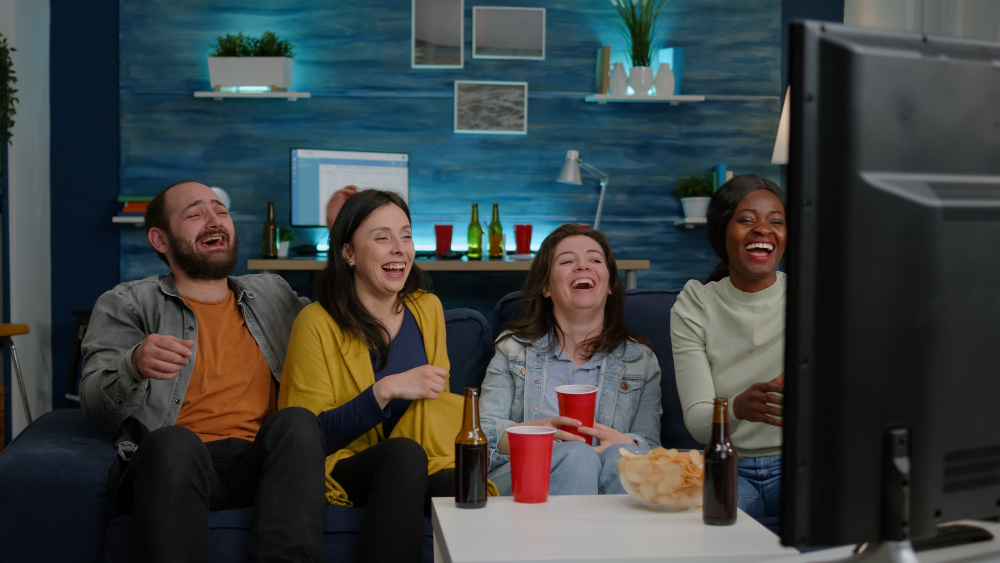
Dutch households are managing sustained cost pressure across most major expense categories. Energy, groceries, insurance, and housing have all risen significantly over the past three years. Against that backdrop, the television subscription is one of the few significant monthly costs where a substantial reduction is genuinely available right now, without sacrificing the content your household watches. The answer is IPTV Kopen, and the numbers behind that recommendation are worth understanding clearly.
Whether you want to IPTV Code Kopen and start saving this month or simply want to understand what the actual comparison looks like before making a decision, this article sets out the costs, the savings, and the practical steps involved in making the switch in the Netherlands.
What Dutch Households Are Currently Paying
A standard bundled internet and TV package from Ziggo starts around €45 to €55 per month for a basic configuration in the Netherlands. KPN’s comparable packages fall in a similar range. Both providers implement annual price increases, typically in July for Ziggo and in February for KPN, which they describe as inflation corrections. The compounding effect of these increases means households on long-standing contracts are paying considerably more than they were five years ago.
According to Tweakers.net’s community data and provider award coverage, the Tweakers Award for best internet provider 2024/2025 went to KPN, reflecting its strong performance on fibre network quality and customer service. The award data also highlights that Dutch households have more internet provider options than ever, creating genuine competitive pressure that has not yet filtered through to television subscription pricing in the same way.
What IPTV Costs: The Real Numbers
An IPTV subscription in the Netherlands providing comprehensive Dutch channel coverage, European and international content, sports programming, and on-demand libraries costs between €8 and €15 per month on a standard monthly plan. Annual plans paid upfront reduce the effective monthly cost further, typically to below €8.
The annual saving comparison is stark. A household paying €60 per month for a cable television package saves over €600 per year by switching to IPTV. A household paying €75 per month, including sports add-ons, saves over €800 per year. Over a three-year period, the saving for the average Dutch household exceeds €1,800.
The Internet Cost Calculation
For Dutch households currently on a bundled Ziggo or KPN package that includes both internet and television, the switch to IPTV involves moving to an internet-only package and adding a standalone IPTV subscription. According to the Consumentenbond’s Dutch internet provider comparison data, internet-only packages in the Netherlands from KPN start from approximately €35 per month for fibre service. Adding an IPTV subscription at under €10 per month brings the total to around €43 to €45 per month, well below what most Dutch households currently pay for a bundled television package.
For Dutch households already on a standalone internet-only subscription, the saving is even more direct. The IPTV subscription is the only additional cost, and the annual saving versus a separate cable television package is measured in hundreds of euros.
Staying Current with the Dutch IPTV Market
The IPTV market in the Netherlands is developing quickly. New providers enter the market, existing providers improve their Dutch channel quality and EPG accuracy, and new IPTV apps are released regularly. Staying current with these developments helps Dutch subscribers make better-informed choices and take advantage of improvements in the market. The IPTV nieuws section covers the latest developments in the Dutch IPTV market, including new service launches, app updates, and provider changes that affect what Dutch subscribers have access to.
Who Benefits Most
- Households currently paying for add-on sports or international content packages through Ziggo or KPN: the savings are largest here.
- Households already on a standalone internet subscription from a fibre provider:
the IPTV subscription is an entirely incremental cost with a corresponding cancellation of the separate cable TV bill.
- Households whose current cable contract includes a recent price increase entitling them to exit without penalty under Dutch consumer protection rules.
- Households with international backgrounds requiring content in languages beyond the standard Dutch cable offering.
Getting Started Without Risk
Subscribe to a monthly plan. Use it for four weeks, during your actual evening viewing hours, across the Dutch channels your household watches most. If the service performs as expected, move to an annual plan for the lower monthly rate and cancel your cable television package. If it does not meet your expectations, you have spent less than €15 to find that out.
The Dutch IPTV market in 2026 offers quality services at prices that make the financial case for switching clear for most households. The saving is real, the setup is simple, and the content is comparable to what Dutch viewers currently pay significantly more for through their cable provider.


WWE Saturday Night Main Event became a cultural phenomenon during its run, captivating fans with thrilling matches and larger-than-life characters. The show’s unique appeal combined wrestling with entertainment, making it a prime-time sensation. But what exactly made this program so iconic? This article will explore the factors that contributed to its immense popularity.
Key Takeaways
- WWE Saturday Night Main Event brought wrestling to mainstream television.
- The show’s storytelling and star power made it unforgettable.
- It redefined how wrestling shows were presented to audiences.
Wrestling Meets Prime Time
WWE Saturday Night Main Event first aired in 1985, breaking new ground by bringing wrestling to prime-time television. Before this, wrestling was mainly seen on cable TV or local stations. The collaboration between WWE and NBC gave wrestling a broader platform, reaching millions of households.

Why it mattered:
- The show introduced wrestling to a mainstream audience.
- It aired after Saturday Night Live, attracting a diverse viewership.
“WWE Saturday Night Main Event changed how fans experienced wrestling. It wasn’t just a show; it was an event.”
Star Power and Iconic Moments
The show featured legendary wrestlers like Hulk Hogan, Randy Savage, and The Ultimate Warrior. Their charisma and performances kept viewers hooked. Fans eagerly tuned in to watch their favourite superstars battle it in high-stakes matches.
Memorable moments:
- Hulk Hogan is defending his title against fierce rivals.
- The Macho Man and Miss Elizabeth’s emotional reunion.
- The infamous betrayal of Andre the Giant.
Such iconic moments turned casual viewers into lifelong fans.
Unique Storytelling
Unlike regular wrestling shows, WWE Saturday Night Main Event focused on storytelling. Rivalries were built with dramatic promos and cliffhangers, keeping viewers on the edge of their seats. Each episode felt like a mini pay-per-view event.
Key storytelling elements:
- Long-term rivalries that unfolded over weeks.
- Dramatic plot twists and surprises.
- Personal stories that connected wrestlers with fans.
“The storytelling on WWE Saturday Night Main Event was second to none. Every match felt meaningful.”
High-Quality Production
The production value of WWE Saturday Night Main Event was ahead of its time. From dazzling entrances to explosive commentary, everything was designed to captivate viewers.

What stood out:
- Pyrotechnics and elaborate set designs.
- Energetic commentary by legends like Vince McMahon.
- High-definition coverage (for its time).
This attention to detail elevated the viewing experience, making the show feel larger than life.
Why Fans Loved It
Fans loved WWE Saturday Night Main Event for its ability to combine action with drama. It wasn’t just about wrestling; it was about entertainment. The show’s unpredictability kept fans coming back for more.
Reasons for its popularity:
- Accessibility: It aired on a major network, making it easy to watch.
- Star appeal: Featured the biggest names in wrestling.
- Unique format: Blended sports and storytelling seamlessly.
Legacy of WWE Saturday Night Main Event
Even years after its original run, WWE Saturday Night Main Event remains a beloved part of wrestling history. Its influence can be seen in modern wrestling shows like Raw and SmackDown.
Why it’s remembered:
- Pioneered the concept of wrestling on prime-time TV.
- It helped WWE grow into a global phenomenon.
- Introduced iconic wrestlers to a broader audience.
“Without WWE Saturday Night Main Event, wrestling wouldn’t be where it is today.”
Conclusion
WWE Saturday Night Main Event’s success lies in its ability to innovate and entertain. By combining wrestling with storytelling and star power, it became a must-watch event for fans. Even today, its legacy is a testament to what made wrestling magical.
FAQs
1. What made the WWE Saturday Night Main Event unique?
It brought wrestling to prime-time television, featured top stars, and focused on storytelling.
2. When did WWE Saturday Night Main Event first air?
The show debuted on May 11, 1985, on NBC.
3. Who were the top stars of WWE Saturday Night Main Event?
Hulk Hogan, Randy Savage, Andre the Giant, and The Ultimate Warrior were some of the biggest names.
4. Why was the show so popular?
Its mix of action, drama, and accessibility made it appealing to a broad audience.
5. Is the WWE Saturday Night Main Event still around?
The show ended its original run but has had occasional revivals.

Vograce Acrylic Stands – Perfect for Merch & Promotions

Can Switching to IPTV Help French Households Reduce Their Monthly Bills?

Can Switching to IPTV Help Dutch Households Reduce Their Media Costs?

Can IPTV Help South African Households Beat the Rising Cost of Living?

How Solar Generators Work: Step-by-Step Explanation

Discover with a Leading Morocco Travel Company

IPTV Smarters Pro en France : Le Guide Complet pour Choisir le Bon Abonnement en 2026

Truck Repair Shop – Suspension Specialists and General Mechanics for Heavy and Light Trucks

How Do Morocco Tour Companies Ensure Safe and Comfortable Travel?

Roofing Services in Orem: Trusted Orem Roof Company for Lasting Protection

Heathridge Partners Tokyo Japan on the Value of Wealth Simplicity in a Complex World

Vision Excellence on the West Coast: Your Guide to Finding a Top Optometrist in Milnerton

Expert Eye Care in the Southern Suburbs: Your Guide to Finding a Premier Optometrist in Tokai

Gaming News: The Ever-Evolving World of Video Games in 2025
qaAWSDFGV HJJKLLL;M L’
Is Trading Is The Best Investment Option After Retirement?

The Ultimate Guide to 35mm Film Developing Lab

Save on Campervan Rentals with a roadsurfer Gutscheincode

10 Things to Do in Punta Mita

Best Things to Do in New York City – Ultimate Travel Guide

Explore New Real Estate Programs in Marrakech

Tailored Tours to Switzerland | Private & VVIP Experiences

Why is there a white spot on my laptop screen?

How to Be the Best Real Estate Agent Murfreesboro

Find the Best Real Estate Agents Main Line

Shana Roberts Northbrook | Discover Her Story

Guide to Buying Testosterone Propionate Safely and Effectively
Andreea Dragoi | Swimmer & Model Extraordinaire

The Ultimate Guide to Wedding Photographers Charlotte

Effective Property Management in Marrakech Morocco
-

 Fashion7 months ago
The Future of Aesthetic Treatments in 2025: Trends to Watch
-

 Fashion7 months ago
The Rise of Print-on-Demand in Fashion: Personalization Meets Sustainability
-
General5 months ago
qaAWSDFGV HJJKLLL;M L’
-
 Gaming3 months ago
Gaming News: The Ever-Evolving World of Video Games in 2025
-
 Health1 month ago
Expert Eye Care in the Southern Suburbs: Your Guide to Finding a Premier Optometrist in Tokai
-
 Health1 month ago
Vision Excellence on the West Coast: Your Guide to Finding a Top Optometrist in Milnerton
-
 Home Improvement1 month ago
Roofing Services in Orem: Trusted Orem Roof Company for Lasting Protection
-
 News1 month ago
Heathridge Partners Tokyo Japan on the Value of Wealth Simplicity in a Complex World